


|
|
|
|
by Yvette Depaepe
Published the 18th of May 2026
Yanny Liu 's work and photographic vision are gently influenced by Eastern art philosophy, in which harmony, mood, and suggestion are valued more highly than direct expression. She aims to document not only what she sees, but also the connections she has with the world, which she explores more intentionally through her camera. She says that if it weren't for photography, she would never have discovered so many places, moments and ways of seeing life. Read on to find out more about Yanny and the person behind her images.
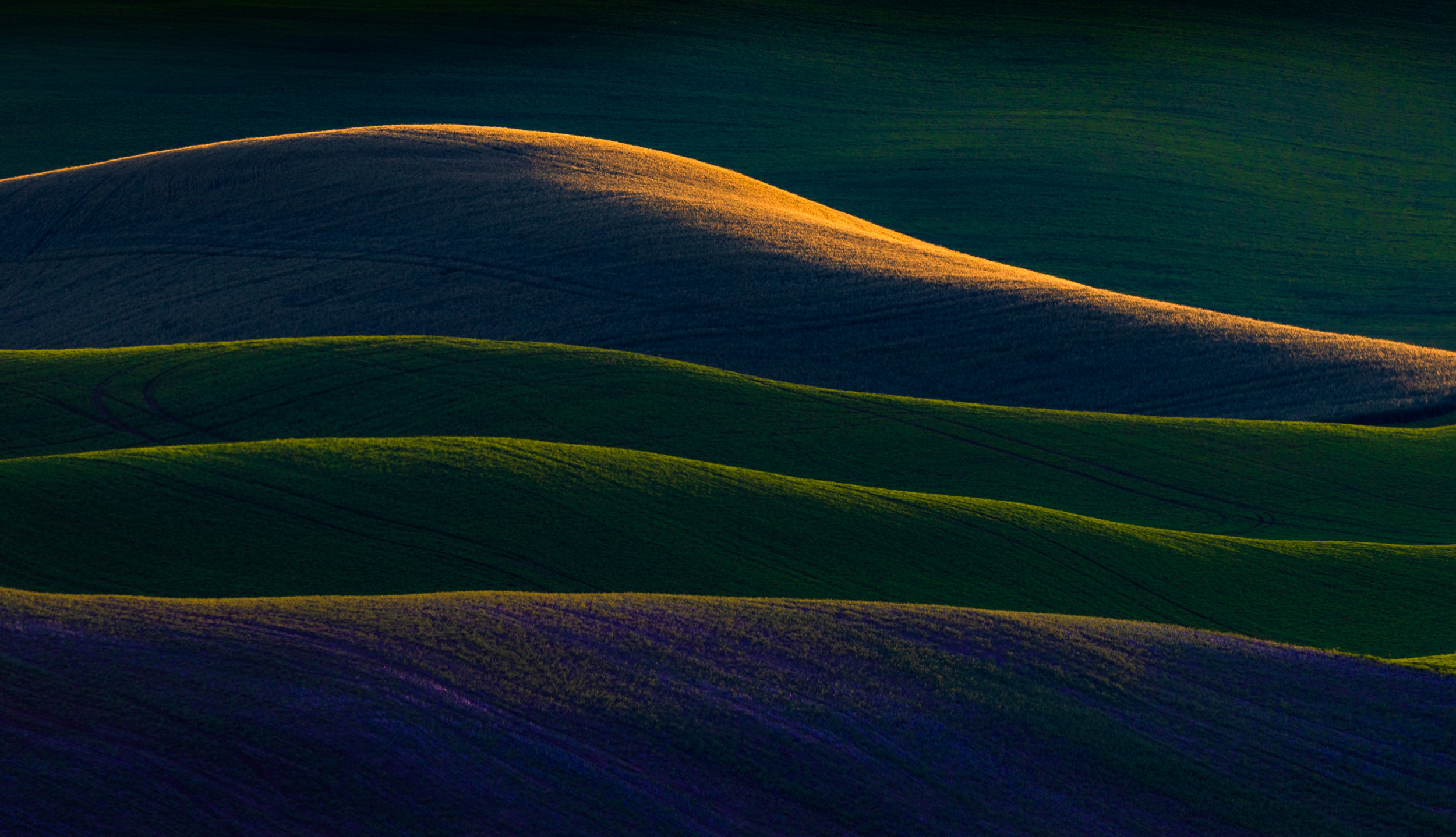
‘Flowing of wheatland’
Dear Yanny, could you please start by introducing yourself briefly and telling us about your hobbies?
Also, could you describe any other projects you are involved in?
I’m Yanny Liu, a resident of Maryland in the USA. I have a master’s degree in Statistics. Although my interests span literature, history and music, I have become most passionate about photography over the years. I’m particularly inspired by landscapes, wildlife and artistic photography.
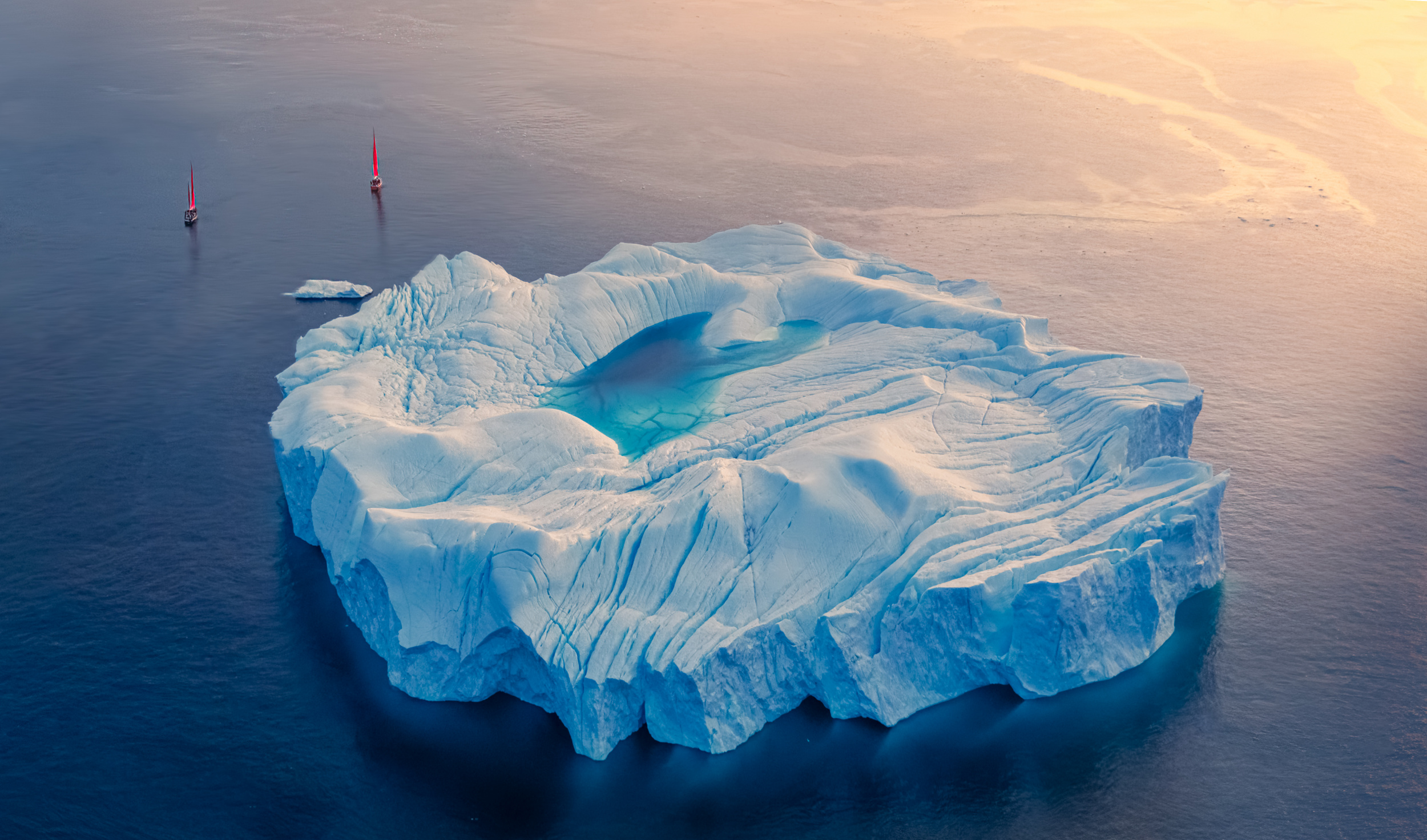
‘Red wings with blue ice’
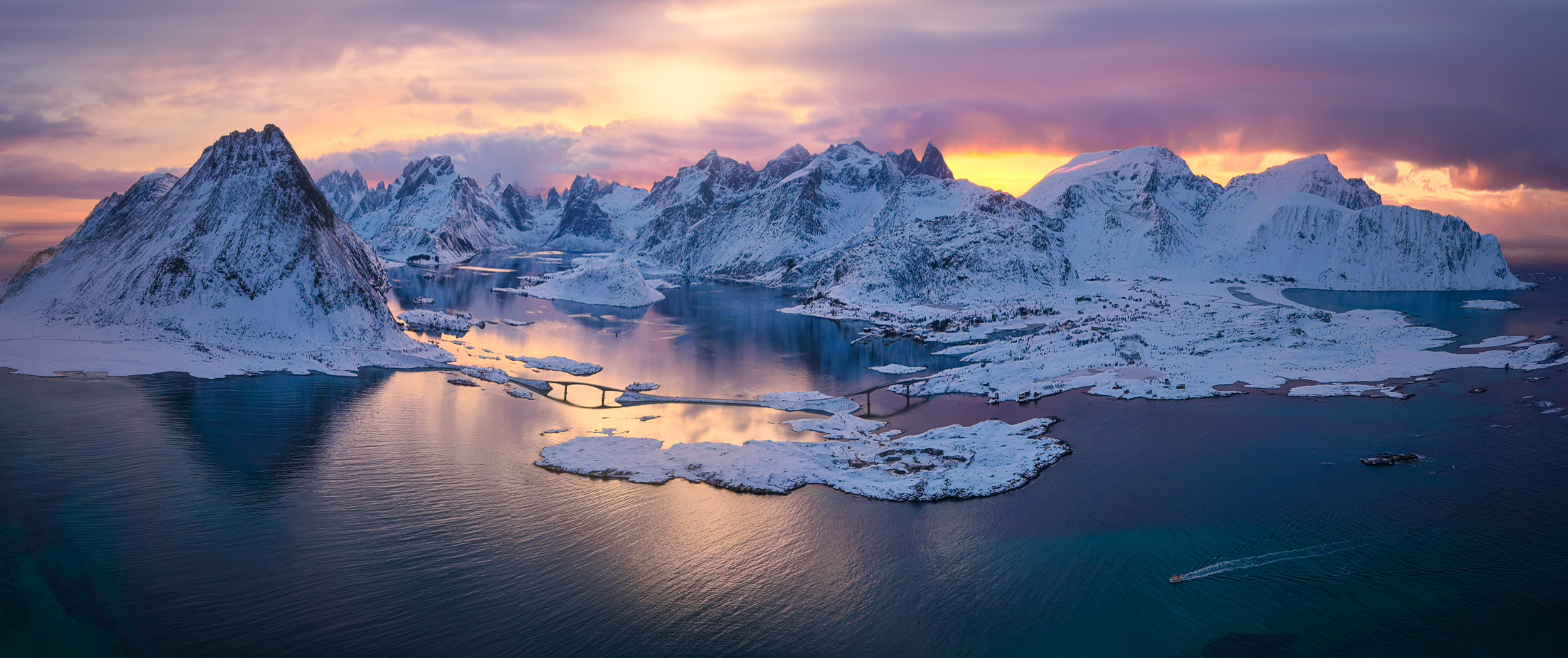
‘Lofoten’
When and how did you first become interested in photography?
I started taking photos in 2017, initially photographing my daughter’s middle school volleyball team. What started as a way to capture her games gradually evolved into a meaningful passion for both photography and documenting my daughter's and her teammates' journey. Over the next five years, I photographed countless matches and tournaments, capturing their growth as well as many unforgettable moments all the way through to her high school graduation.
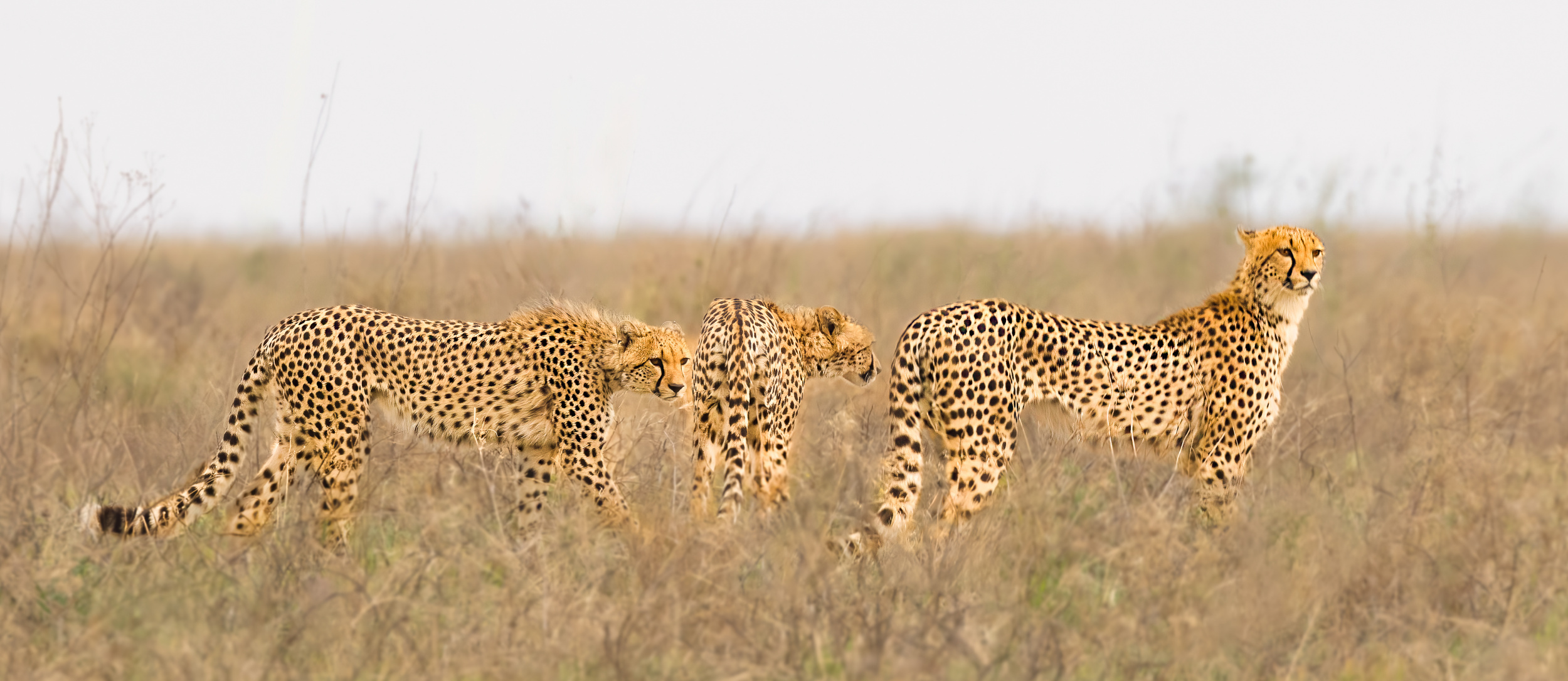
‘Three brothers’
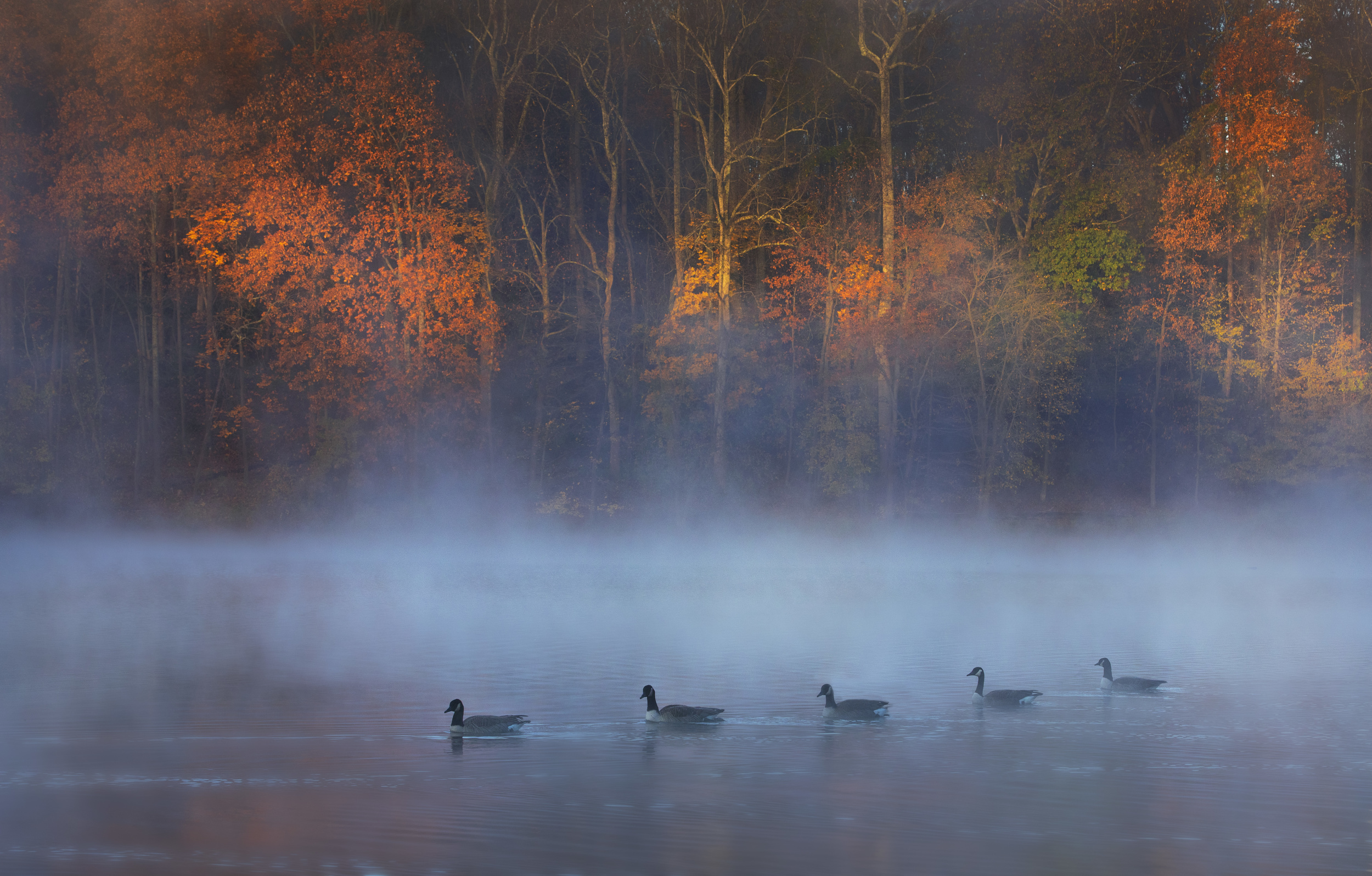
‘Social Distances’
For many of us, photography is a hobby or a way of life. So, how would you describe your relationship with photography?
For me, photography is more than just a hobby; it gives me a more meaningful way to view the world. It teaches me to observe details more closely and precisely than I otherwise would in daily life. These include light, movement, emotions and small moments in between. Whenever I see something interesting or powerful, I immediately want to capture it and preserve that moment in time.
Over the years, photography has also encouraged me to explore different perspectives and places. It has introduced me to environments I would never have entered before, ranging from tranquil natural landscapes to bustling human activity. Through the camera, I document not only what I see, but also connect with the world in a more intentional way. Without photography, I believe that I would never have discovered so many of these places, moments and ways of seeing life.
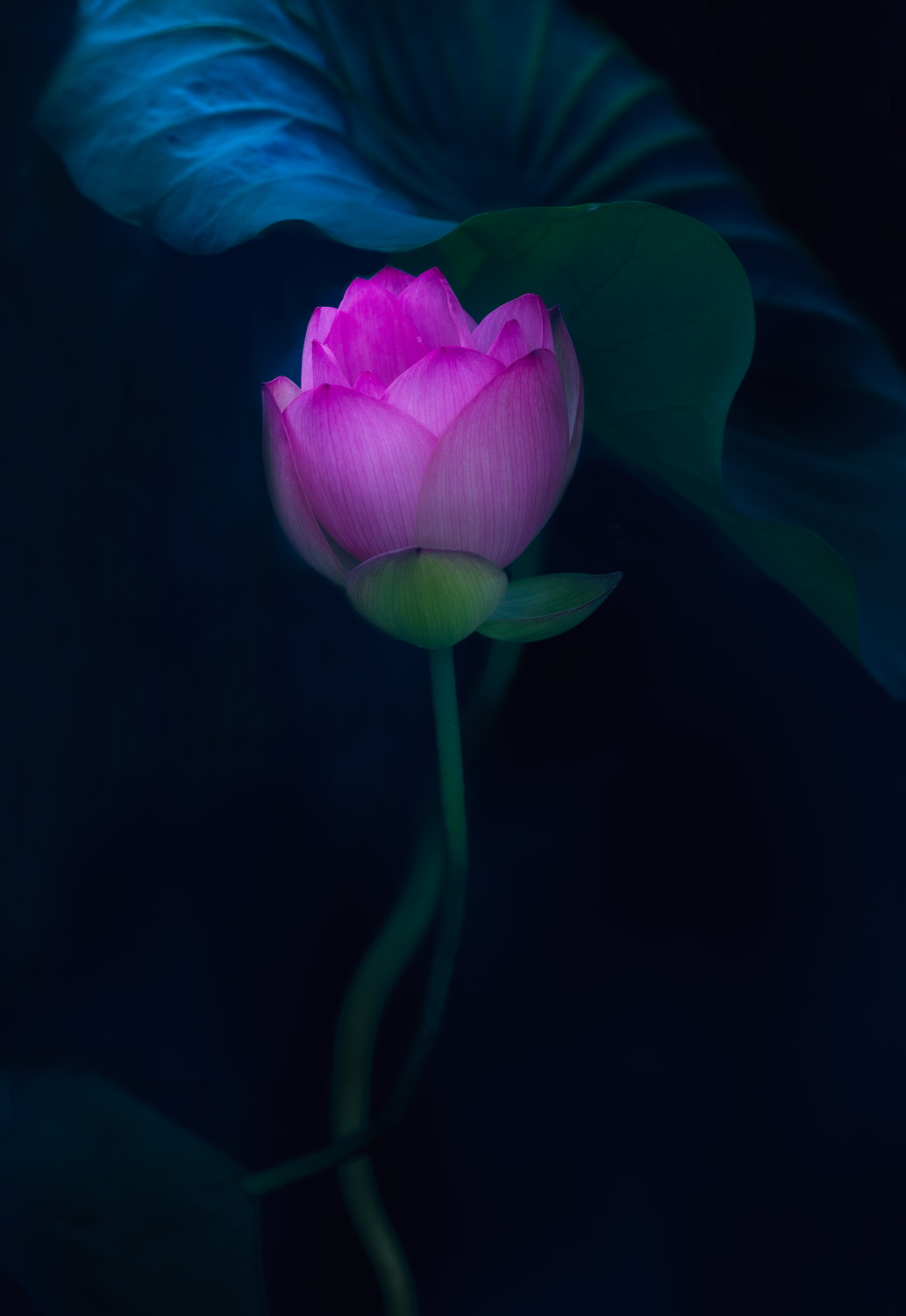
‘Lotus in light’
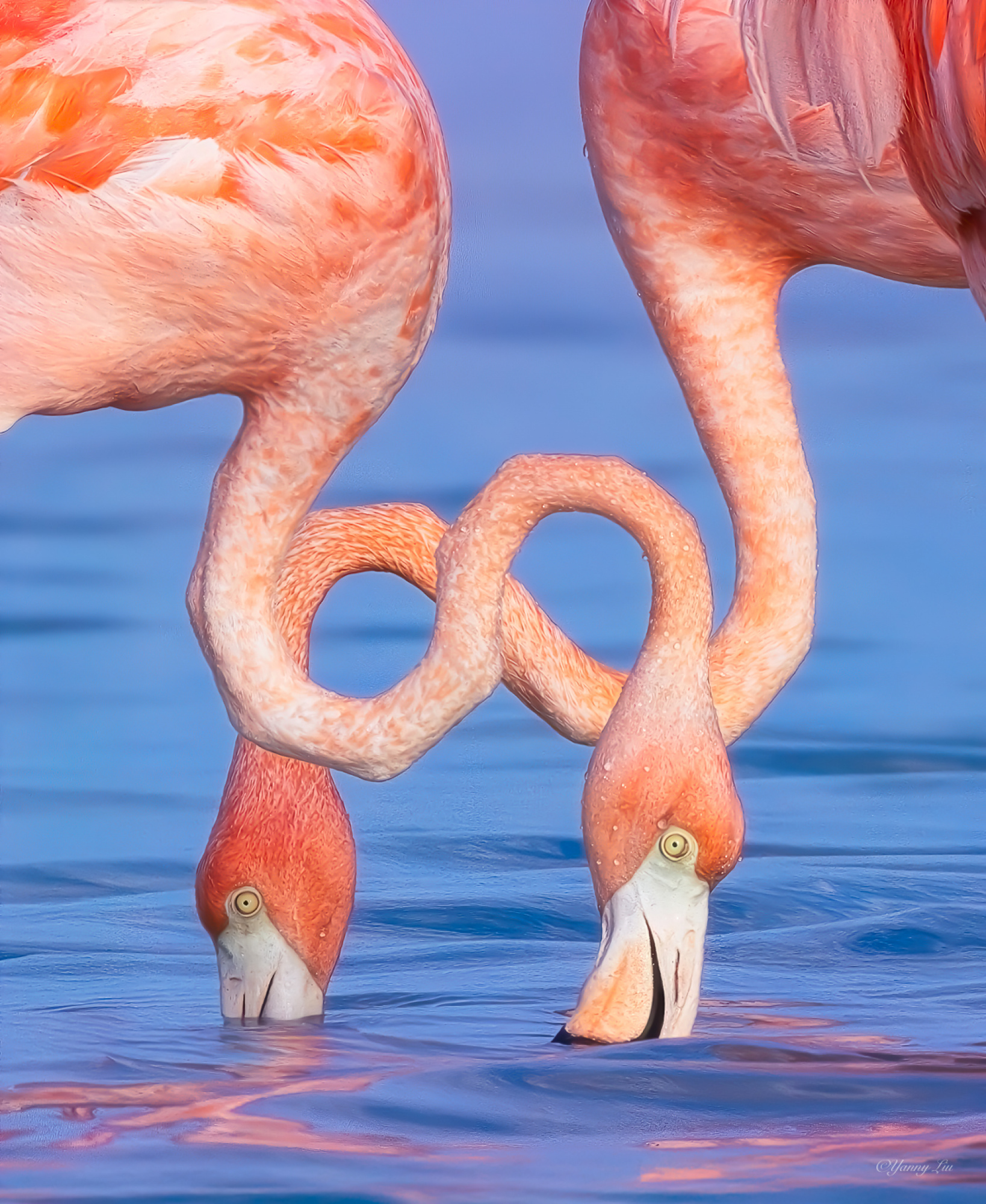
‘Infinite love’
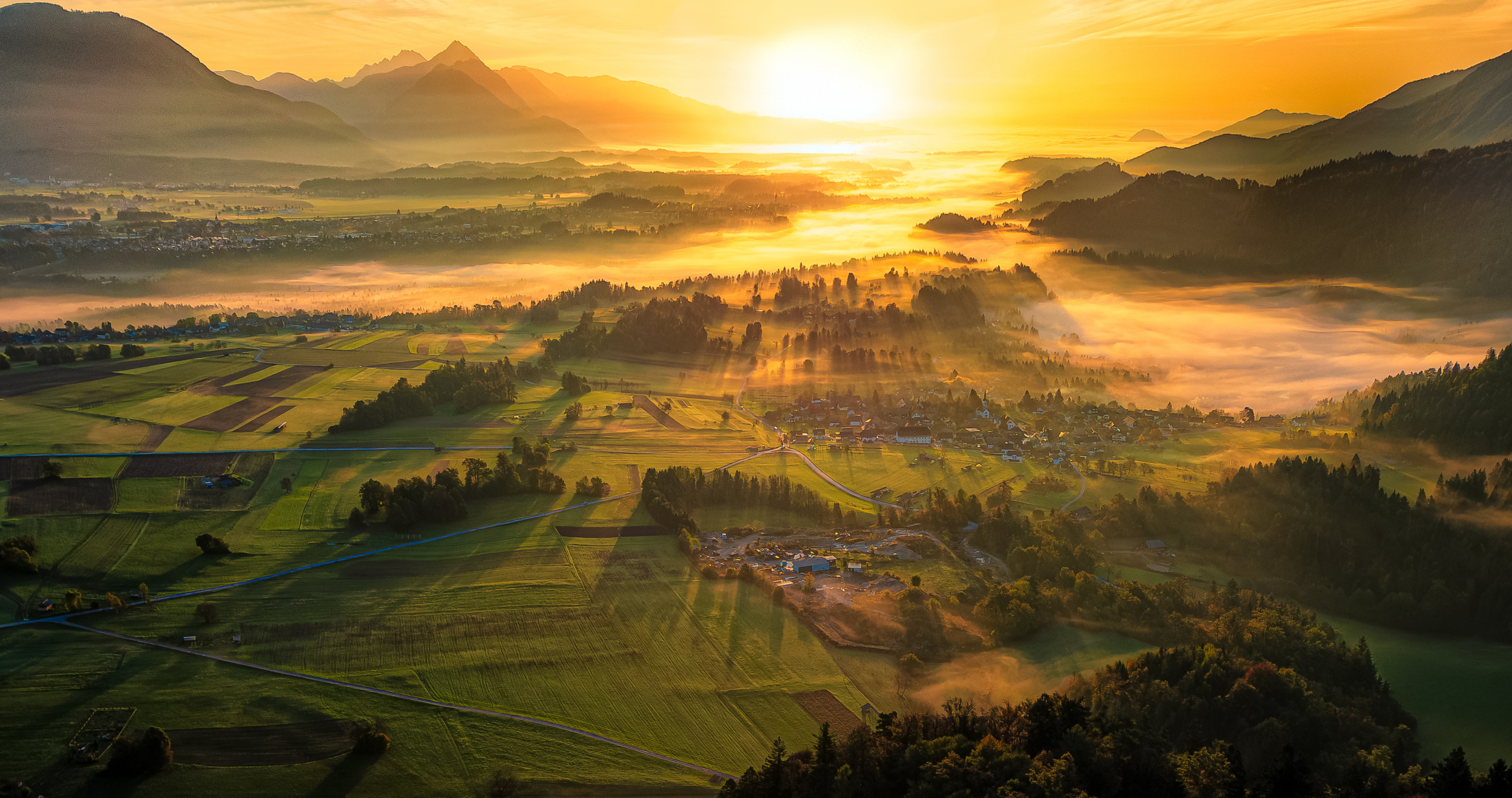
‘Golden Dawn’
Which experience has had the biggest impact on your journey as a photographer?
The pandemic was a unique and important time for me. With no office work and most activities cancelled, I finally had time to focus on my inner world through photography, particularly learning about post-processing online. Around that time, a few friends and I joined 1x.com, which opened up new possibilities for us. We were inspired by the outstanding work of others and began studying their techniques and artistic vision. This experience improved my skills and helped me to shape my images more intentionally and creatively.
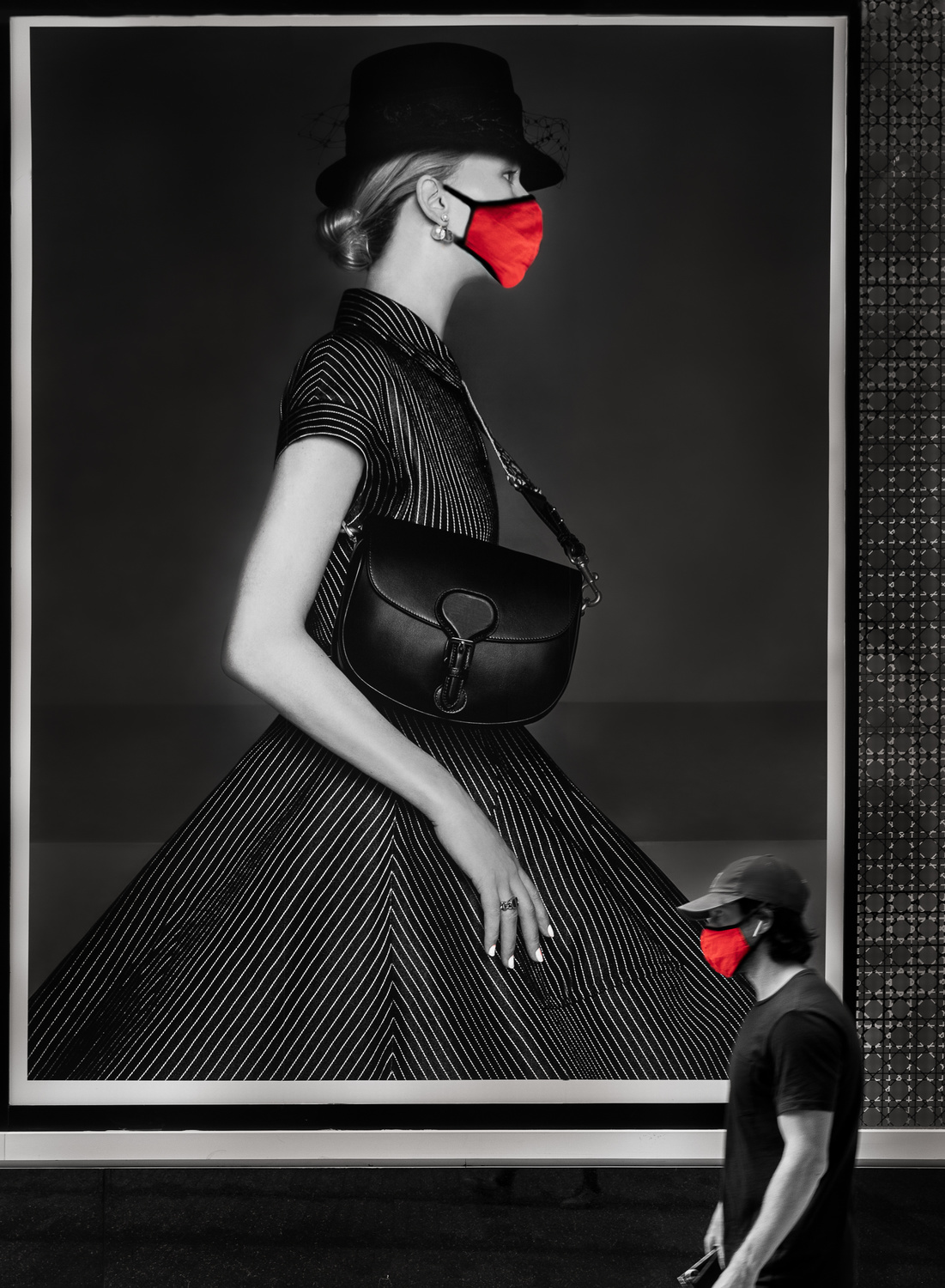 ‘Red Masks’
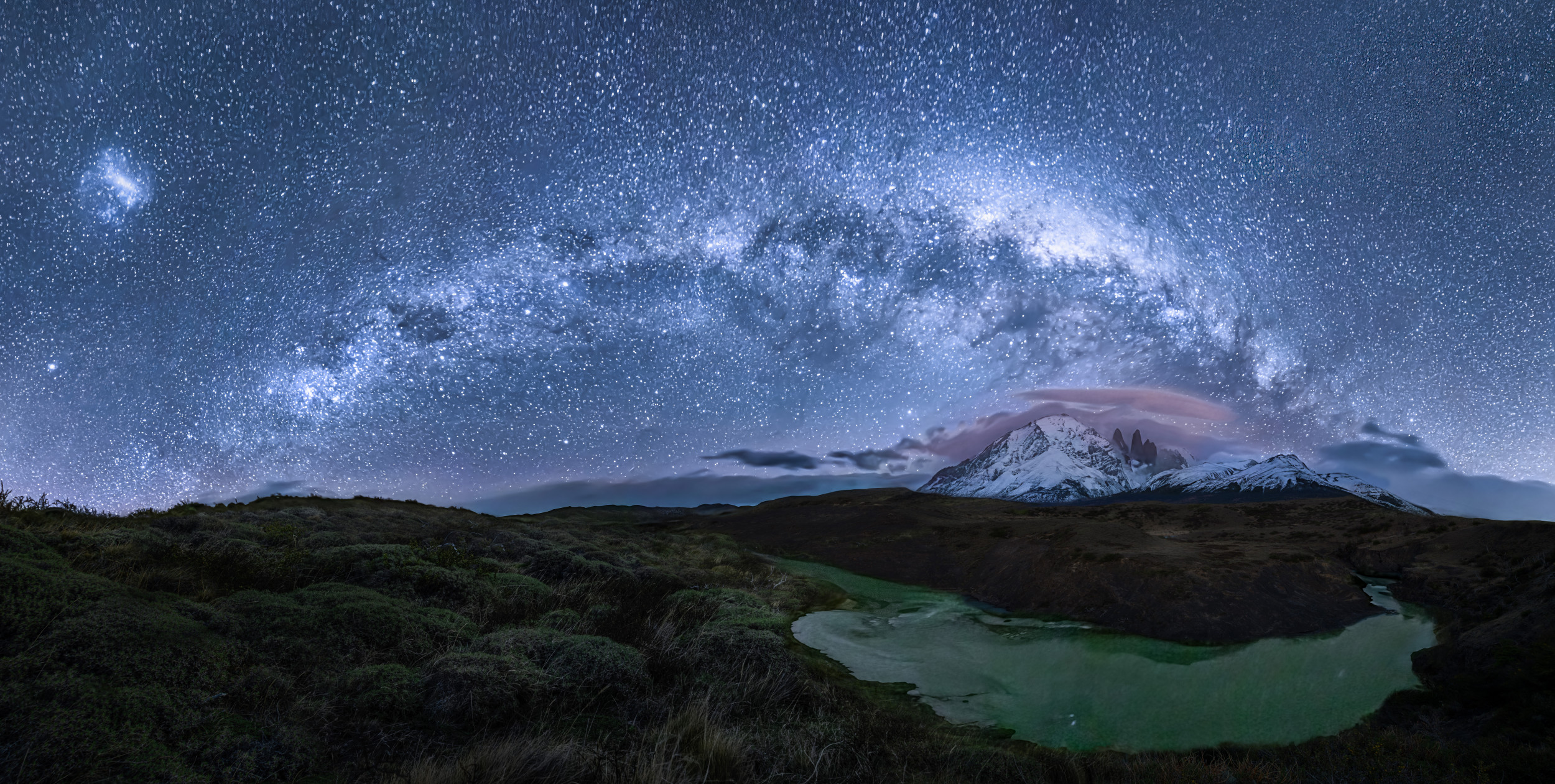 ‘Moonlight and Milky way in Patagonia’
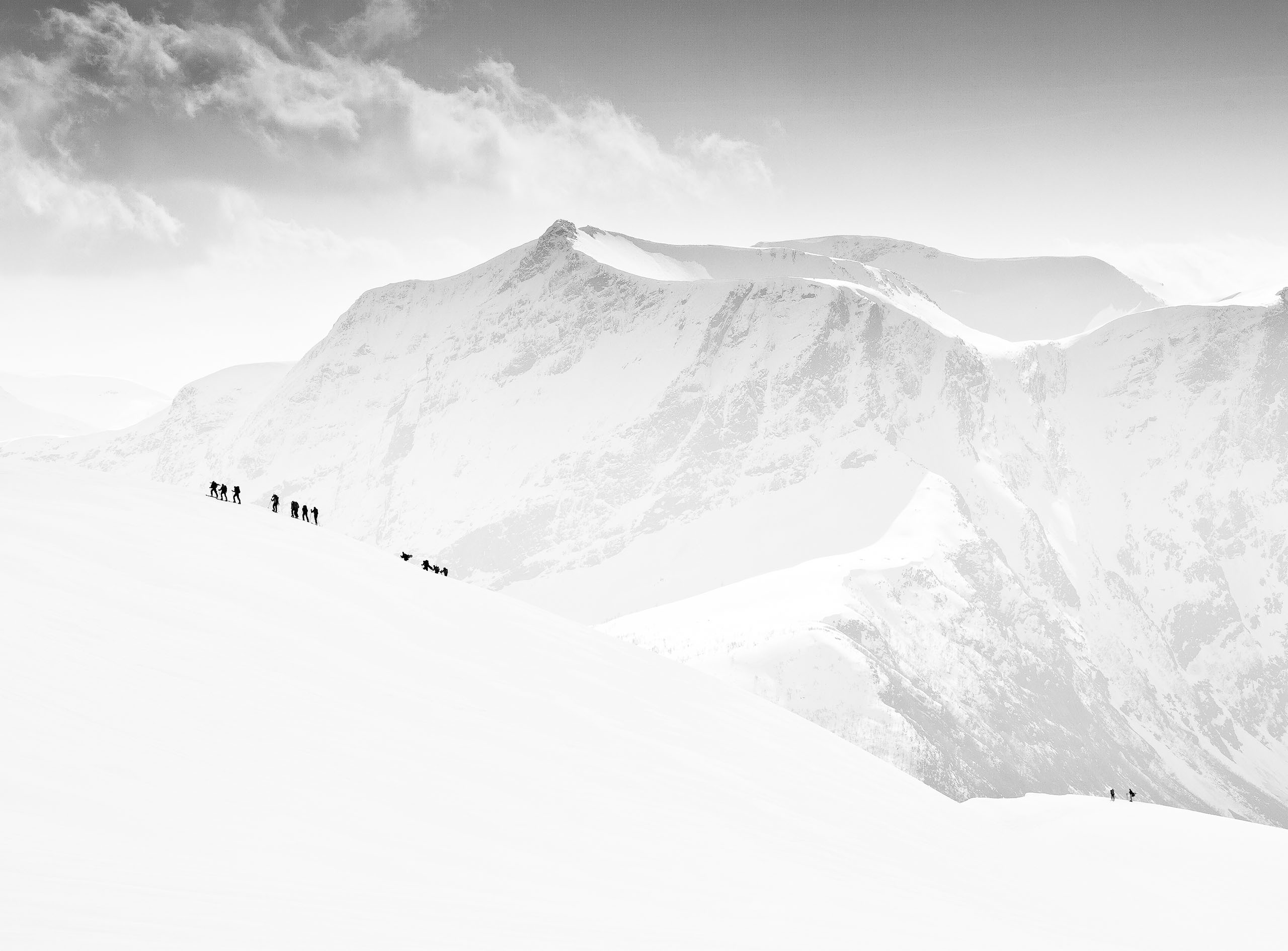
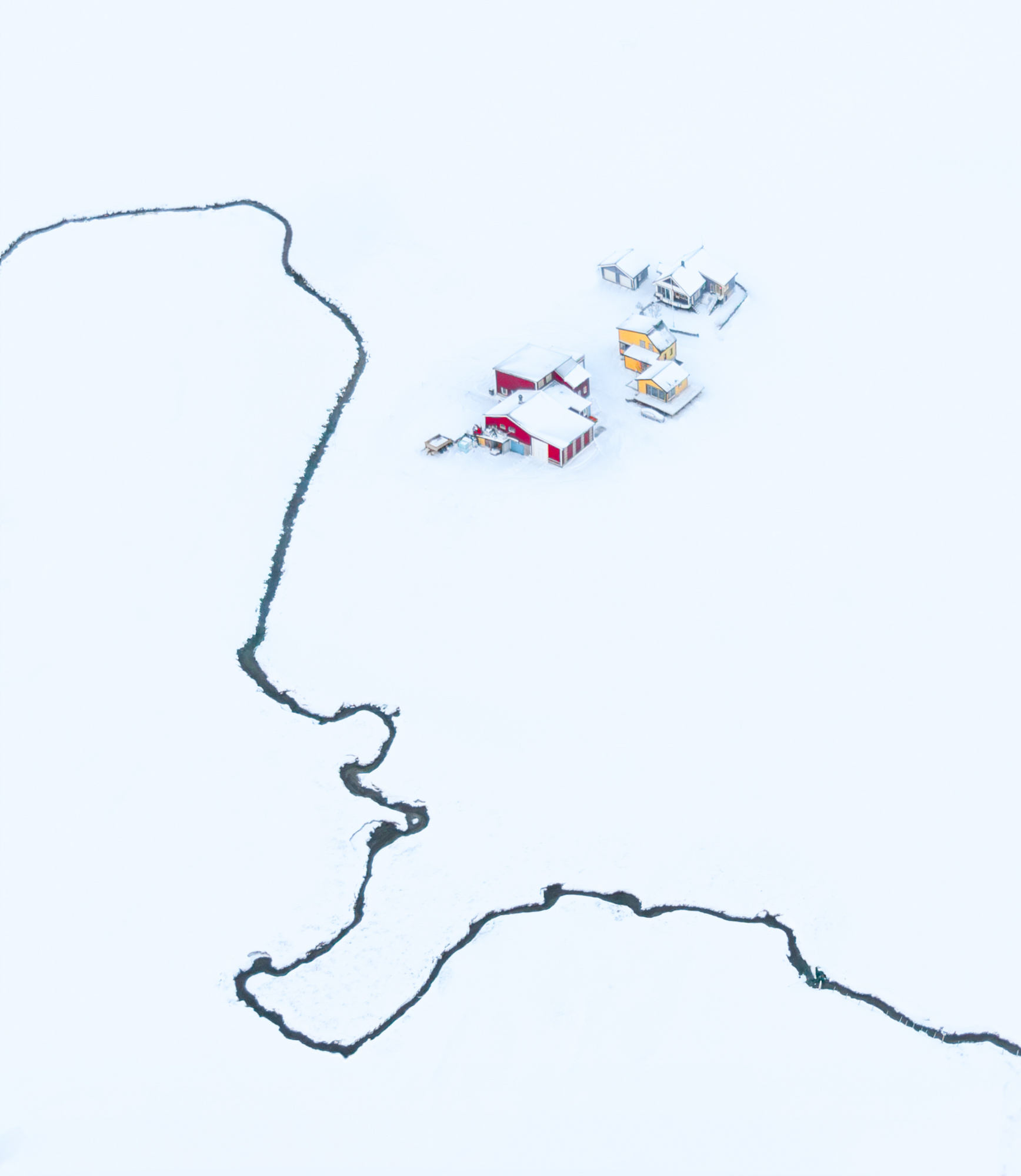 ‘Isolation in a Winter Embrace’
You have your own distinctive style that feels subtle, delicate, and poetic yet your work spans a wide range of genres, from landscape to wildlife to artistic photography. Could you tell us why?
My photographic vision has been shaped by my long-term exposure to art and history, particularly classical and traditional aesthetics. These influences have quietly informed the way I see the world, favouring subtlety, balance and emotional resonance over visual intensity.
My work is also rooted in a lyrical sensibility, combining observation and feeling. This enables me to approach photography as both a form of documentation and a means of expressing an inner dialogue with the world.
Although I work across different genres, from landscape and wildlife to more artistic expressions, I don’t see them as separate paths. Instead, they all contribute to the same vision: to understand the world more deeply and express it through my own perspective rather than overwhelming viewers with superficial visual impact.
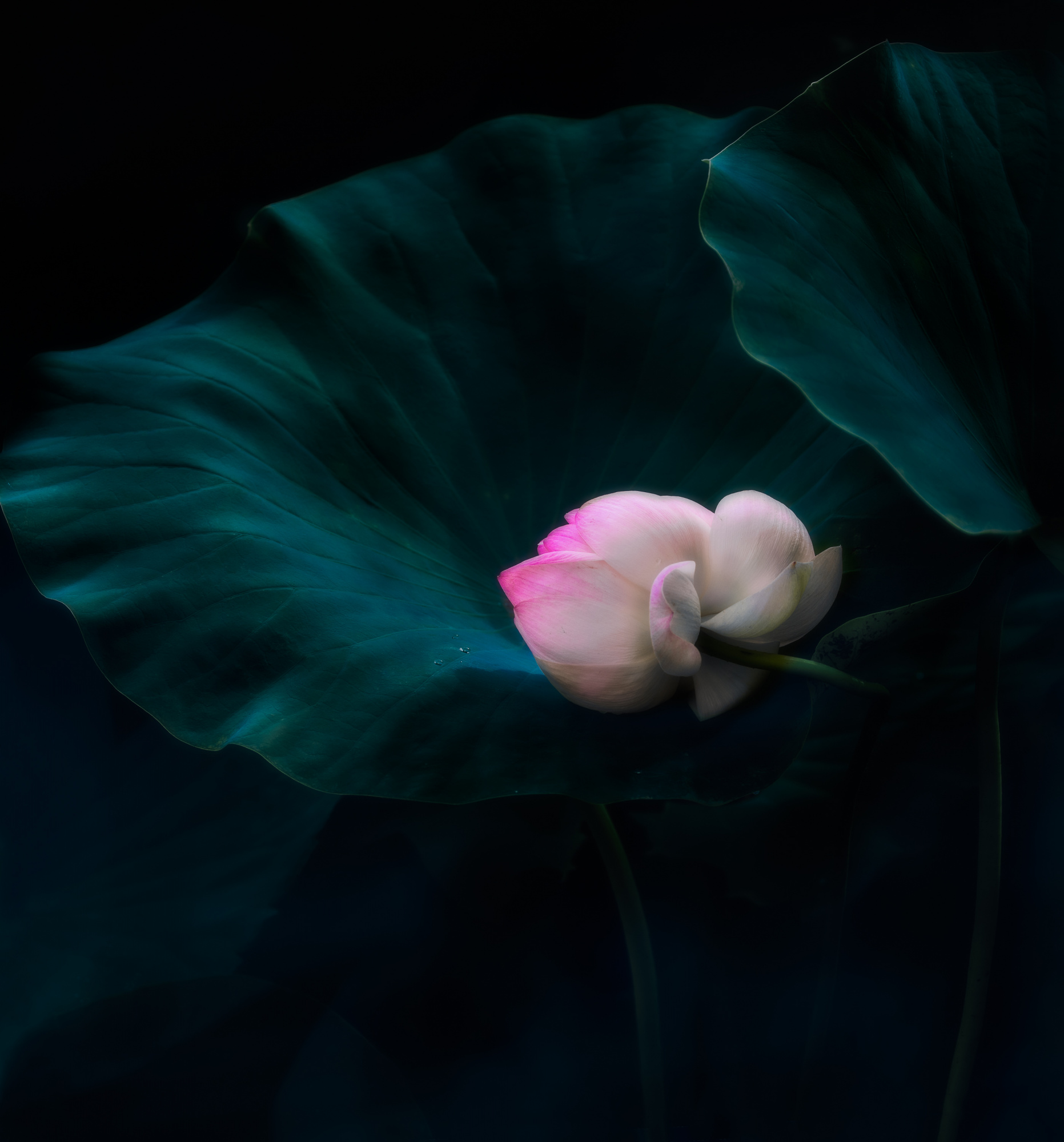 ‘Eternal’
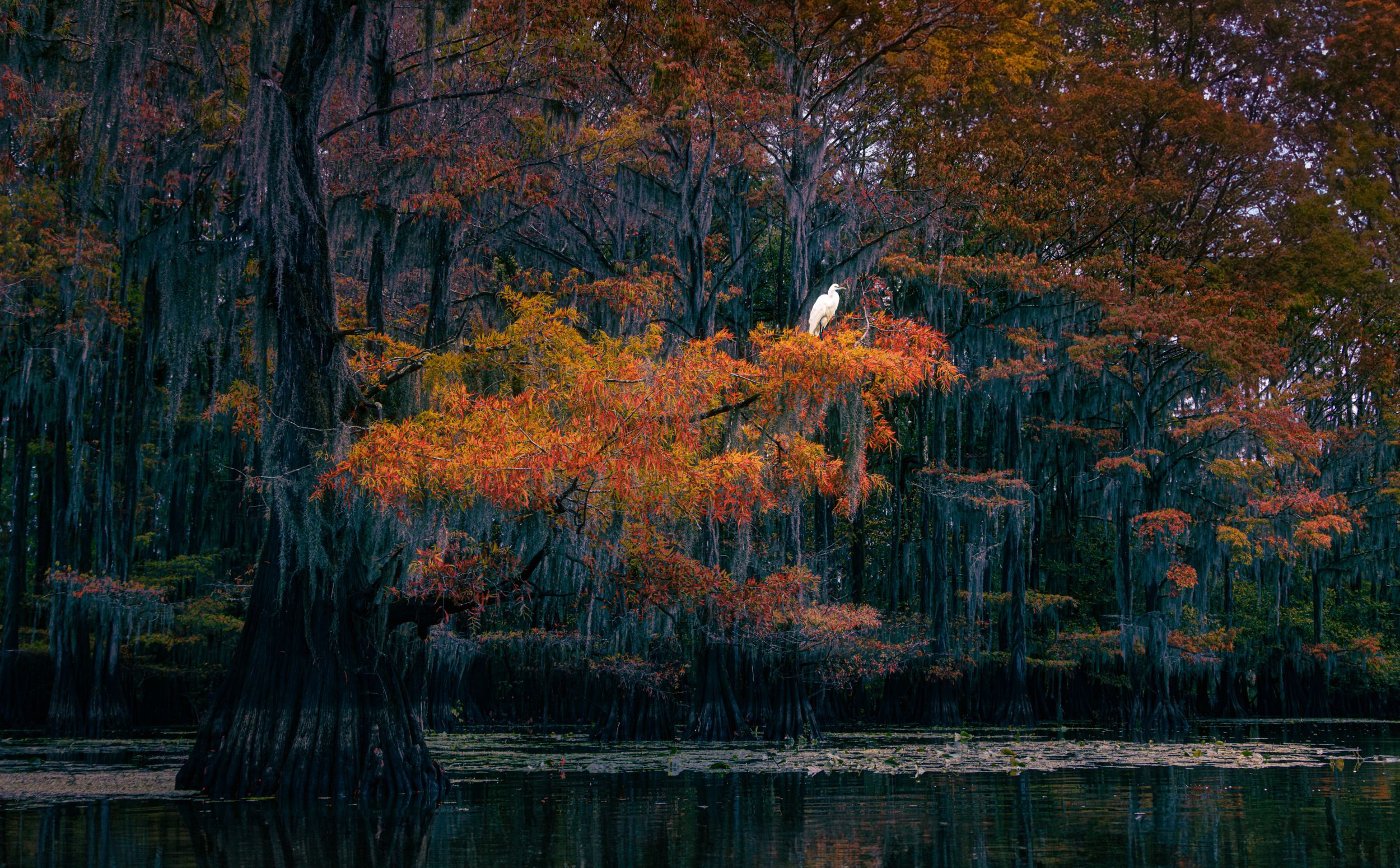 ‘Cypress tree’
When it comes to your images, what is more important to you: the mood or the story, or technical perfection?
I care about technical quality because it supports storytelling. In my early years of photography, I trained myself in different shooting situations to master the technical fundamentals. However, at my current stage, I pay more attention to atmosphere, light and the moment itself when shooting. When it comes to post-processing, I prioritize feeling and mood, using them to enhance the emotional impact rather than focusing on technical perfection.
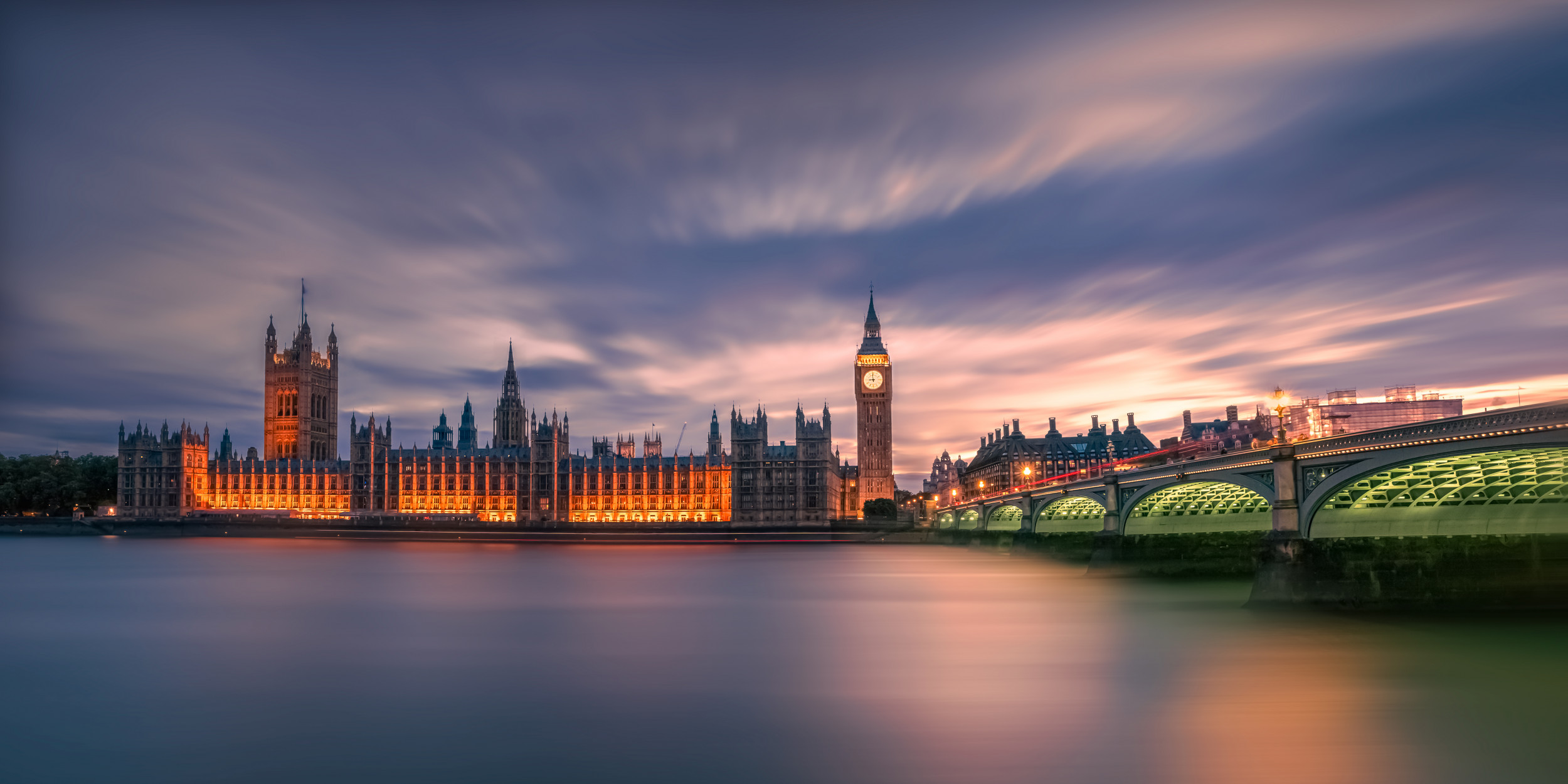 ‘Holy Glory’
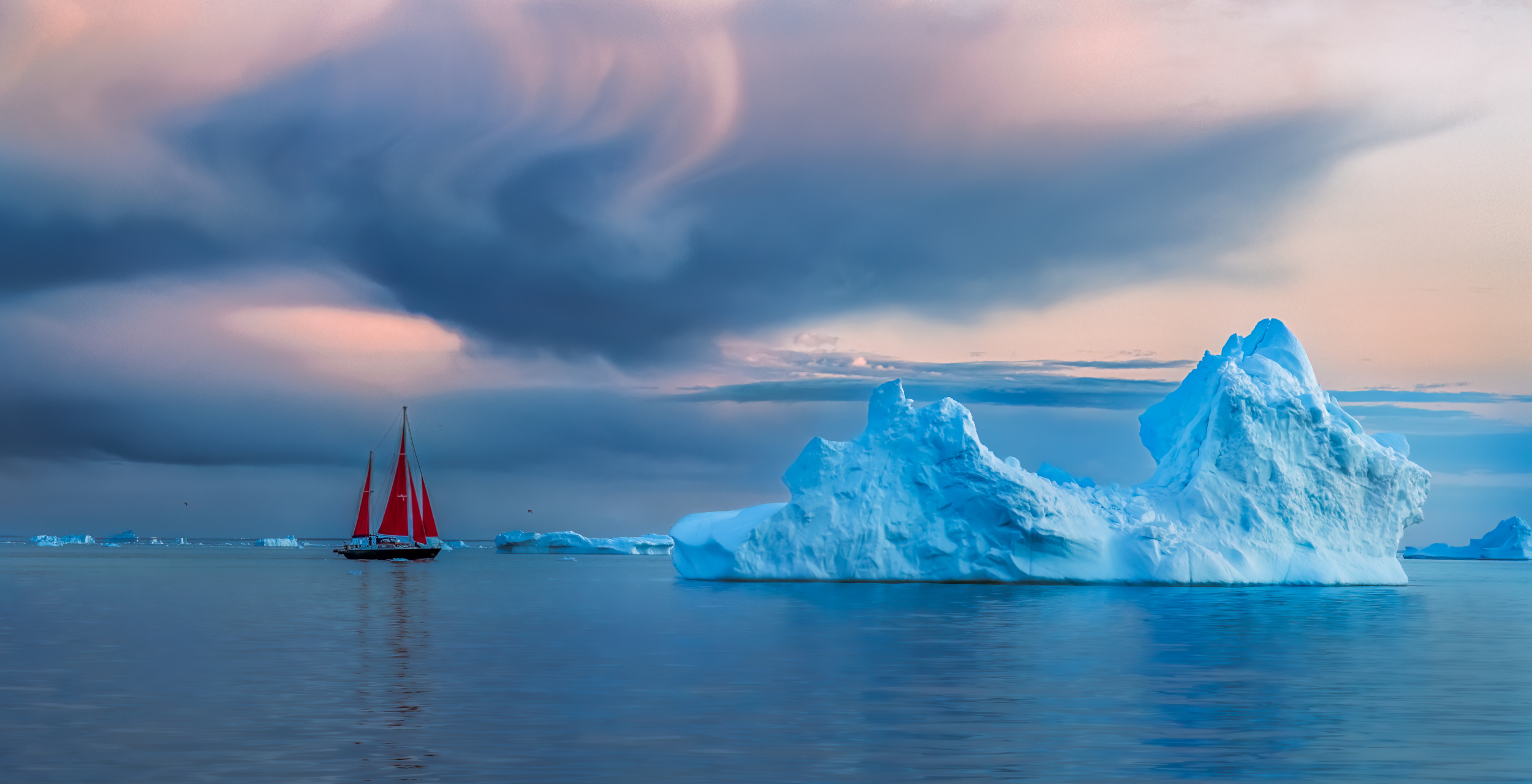 ‘When the sky speaks’
How do you engage with your subject matter beyond the role of observer?
I’m naturally curious about the world, and I try to engage with my subject matter by being fully present within the environment rather than remaining emotionally detached.
For landscape photography, my approach is rooted in immersion. I’m especially drawn to unique places with striking landscapes or extraordinary conditions, such as Greenland or other remote natural regions where light, space, and atmosphere come together to create something unforgettable. I spend time in the environment, observing the light, weather, and atmosphere, and patiently waiting for the moment when everything aligns. In this process I can be someone who experiences the place deeply and responds to it both emotionally and visually.
For wildlife photography, the engagement is more respectful and involves maintaining a physical distance. I carefully observe animal behavior and try to understand the subject without disturbing it. It requires patience, timing, and often anticipation of action. My goal is to capture natural behavior in an authentic way, while respecting the animal’s space.
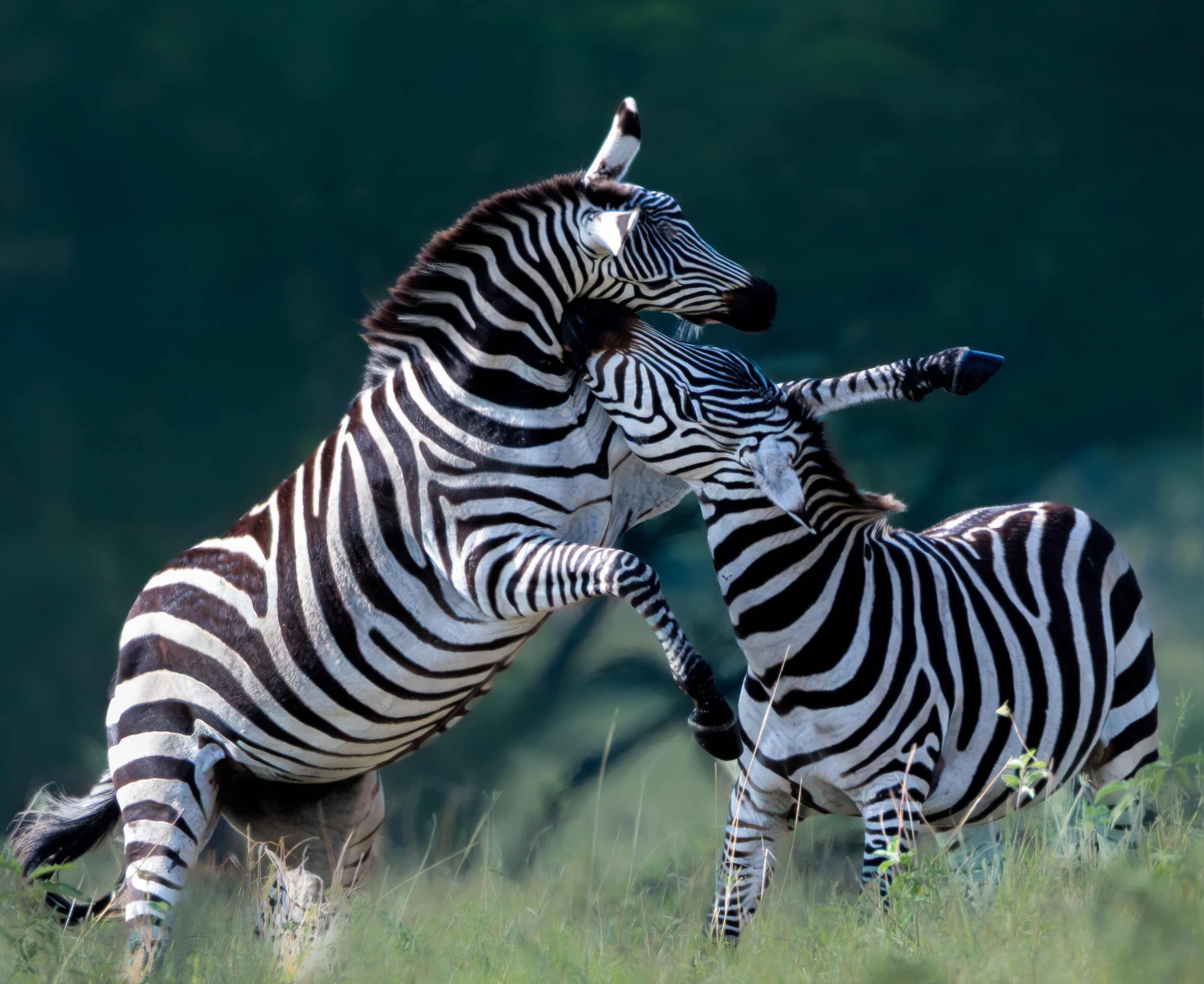 ‘Big hug’
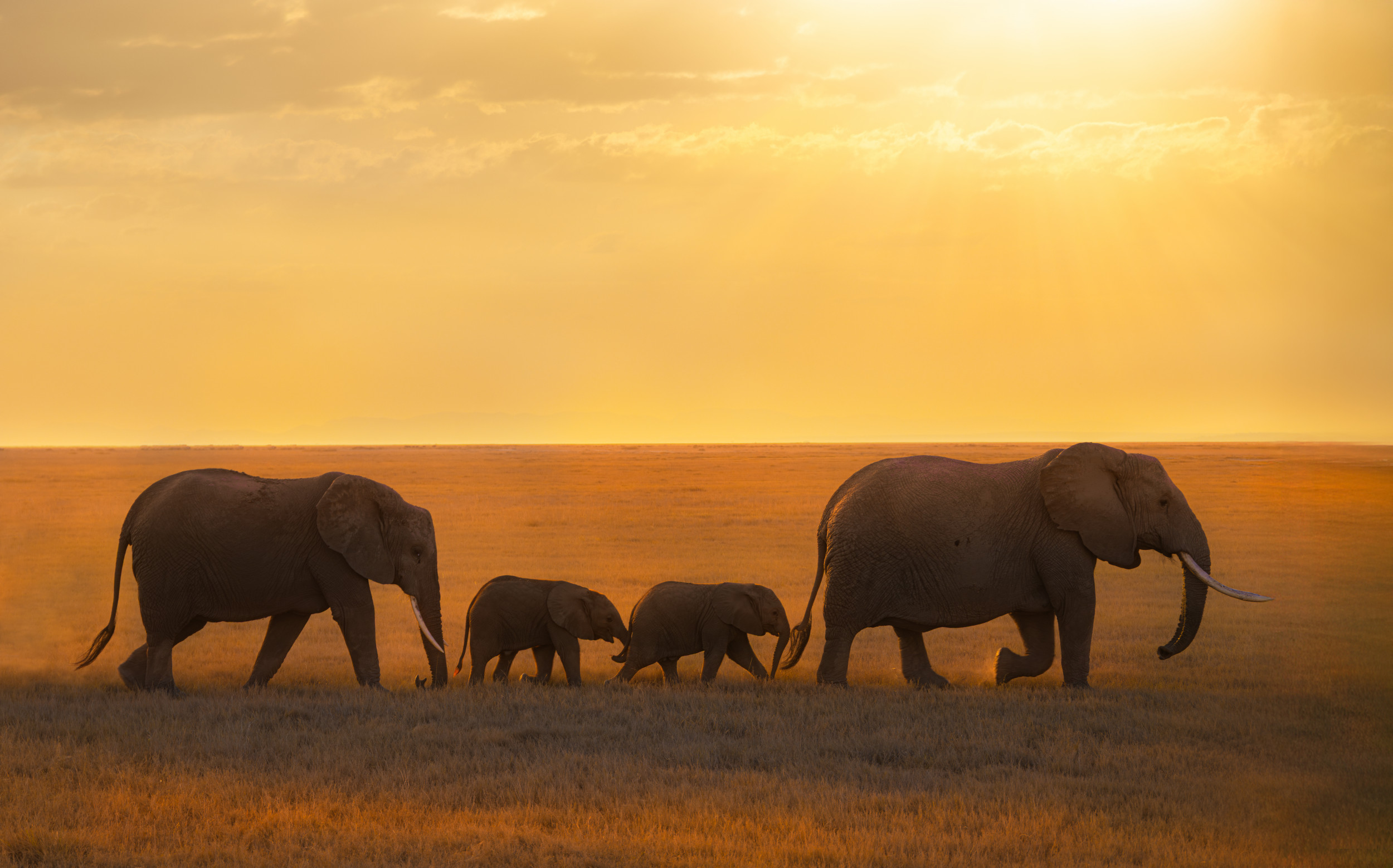 ‘Walking with moms’
Do you carefully plan the locations where you intend to take photographs?
The level of planning depends on the subject. For landscape photography, for example, I usually research the location in advance. I often use tools such as LocationScout and PlanIt to study maps, light direction, weather conditions and the best time of day to take photographs. This helps me decide where to position myself and what kind of composition to look for before I arrive. When it comes to wildlife photography, preparation is more about understanding the subject and its environment. Studying animal behavior, habitat and movement patterns increase my chances of capturing high-quality images.
However, I don’t try to control everything. I always leave room for the unexpected, as some of the most powerful images come from situations that I didn't fully anticipate. In both cases, I am not merely documenting what I see; I am trying to connect with the subject in a way that enables me to tell a more authentic story.
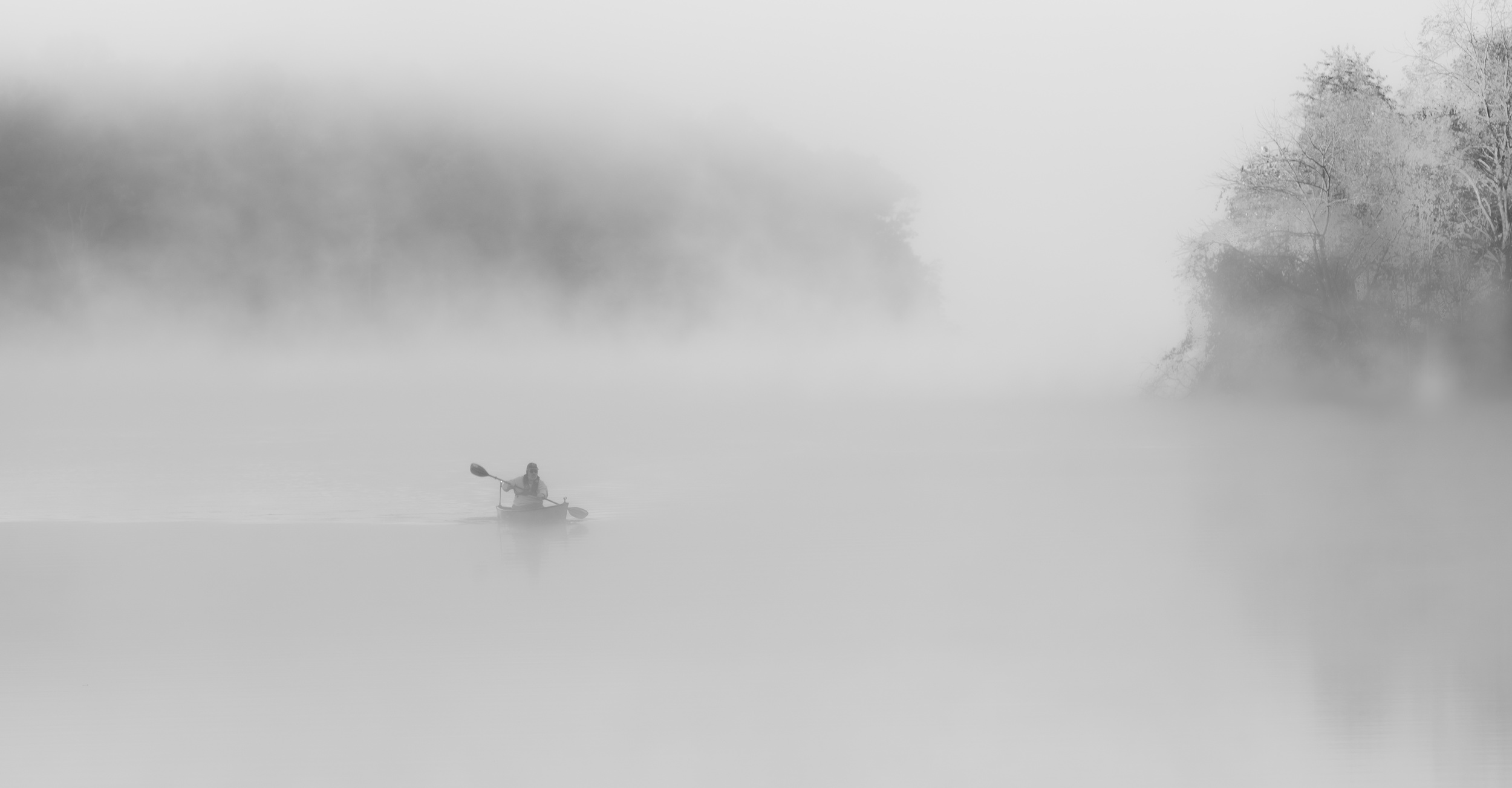 ‘Foggy_Morning’
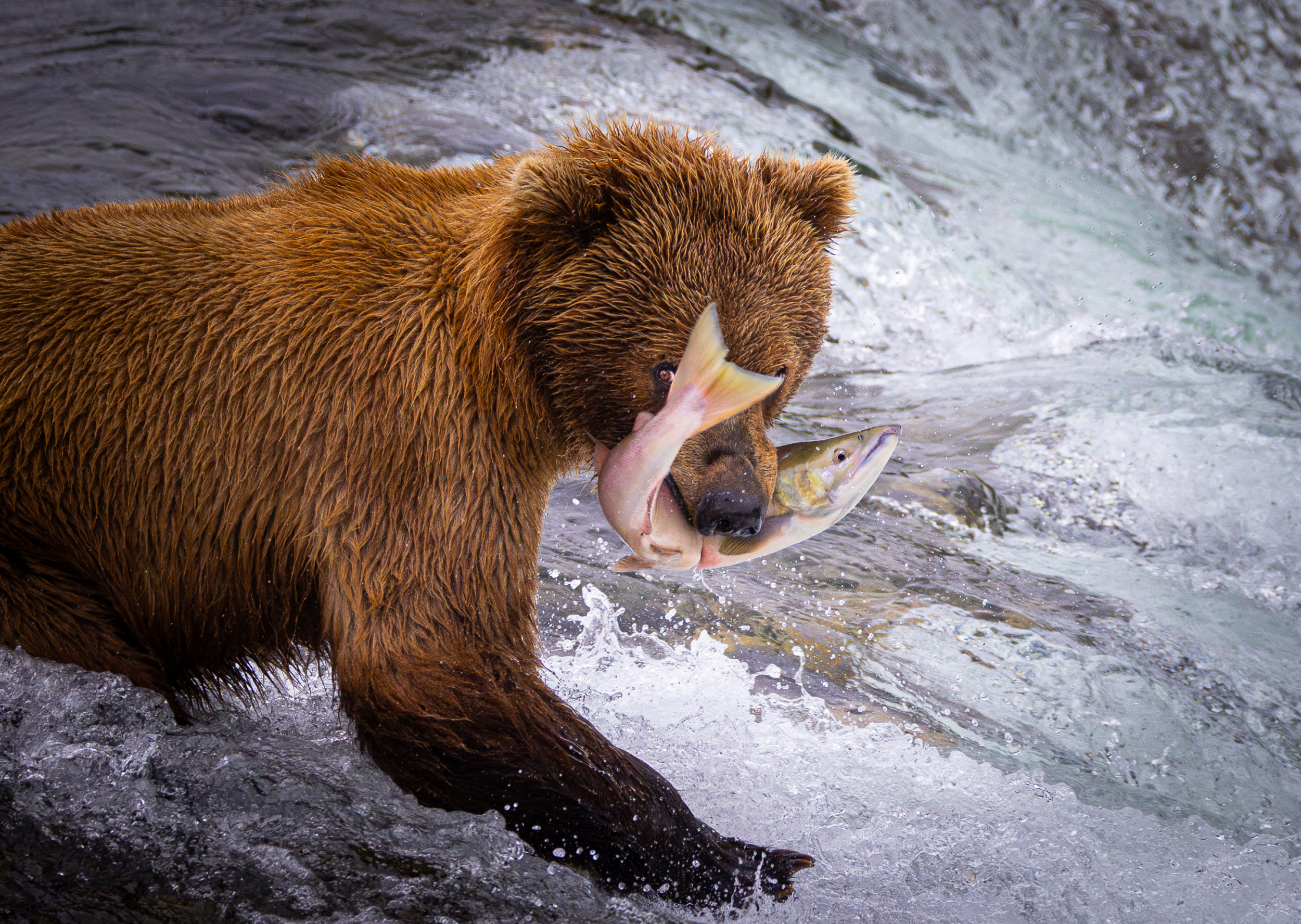 ‘Two eyes’
Describe your photographic vision.
My photographic vision is gently influenced by Eastern art philosophy, in which harmony, mood and suggestion are valued more highly than direct expression. Having grown up with this cultural background, I now tend to avoid strong contrasts and overly dramatic visual impact. Instead, I seek a more subtle and balanced expression.
I often lean towards a minimalist approach where simplicity, balance and negative space play an important role. Rather than filling the frame, I leave space for the viewer's imagination and emotions, encouraging them to pause and reflect.
In my work, I aim to combine this quiet, contemplative style with images of the natural world, such as landscapes, wildlife, and more artistic scenes. My goal is not just to capture a scene, but to convey a feeling or a moment of stillness and a sense of connection between the subject and its surroundings.
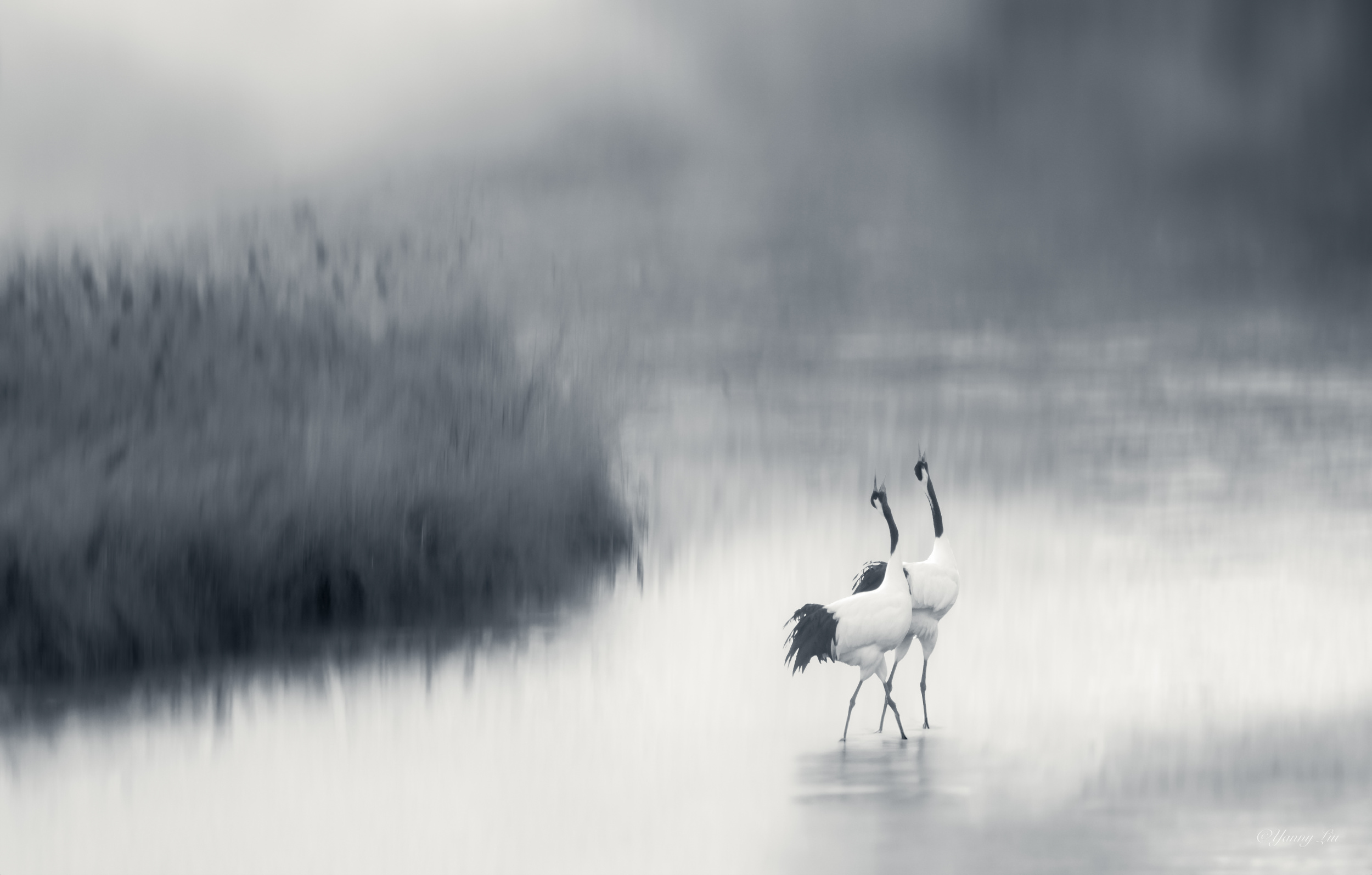 ‘Chirping together’
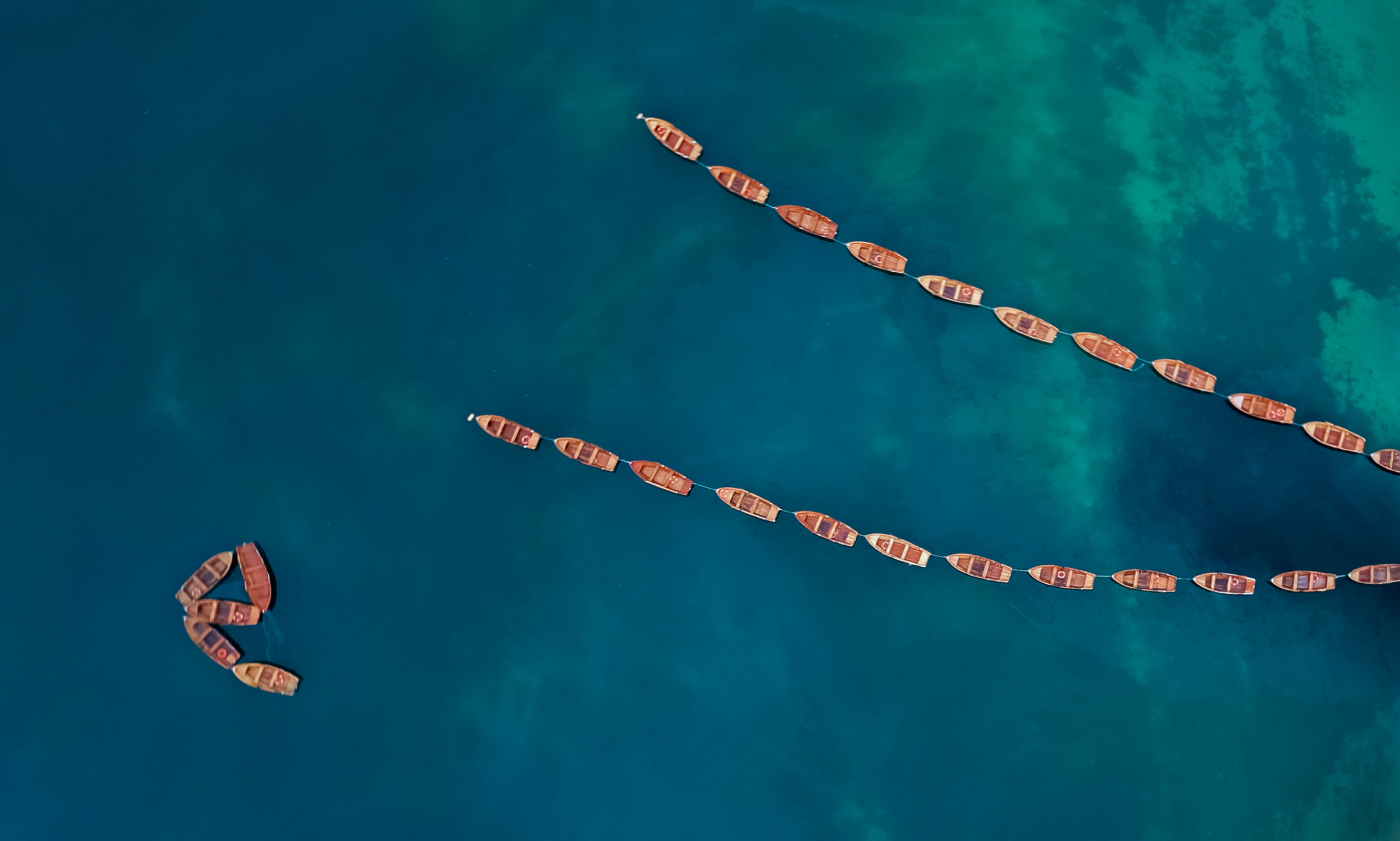 'Boat shape’
Could you tell us more about your creative process, from initial idea to final product?
My creative process begins with a spark of curiosity — an idea, a subject or a fleeting impression that captures my attention. Inspiration may sometimes come from other photographers, but I always try to reinterpret it through my own vision rather than simply copying it.
From there, the process becomes more intentional. I plan the shoot, sometimes travelling to the destination in advance to study the location and light and explore possible compositions. While photographing, I move between planning and intuition. Although I may have direction in mind, I respond to the moment as it unfolds, guided by light, atmosphere and emotion. It is this balance between structure and spontaneity that gives shape to my images.
Post-processing is another important part of my creative process. I mainly use Lightroom and Photoshop, as well as tools such as Topaz and the Nik Collection. This stage enables me to refine the image and convey the emotions and concepts that I had in mind when I took the photograph. It's not just editing; it's an extension of the creative process.
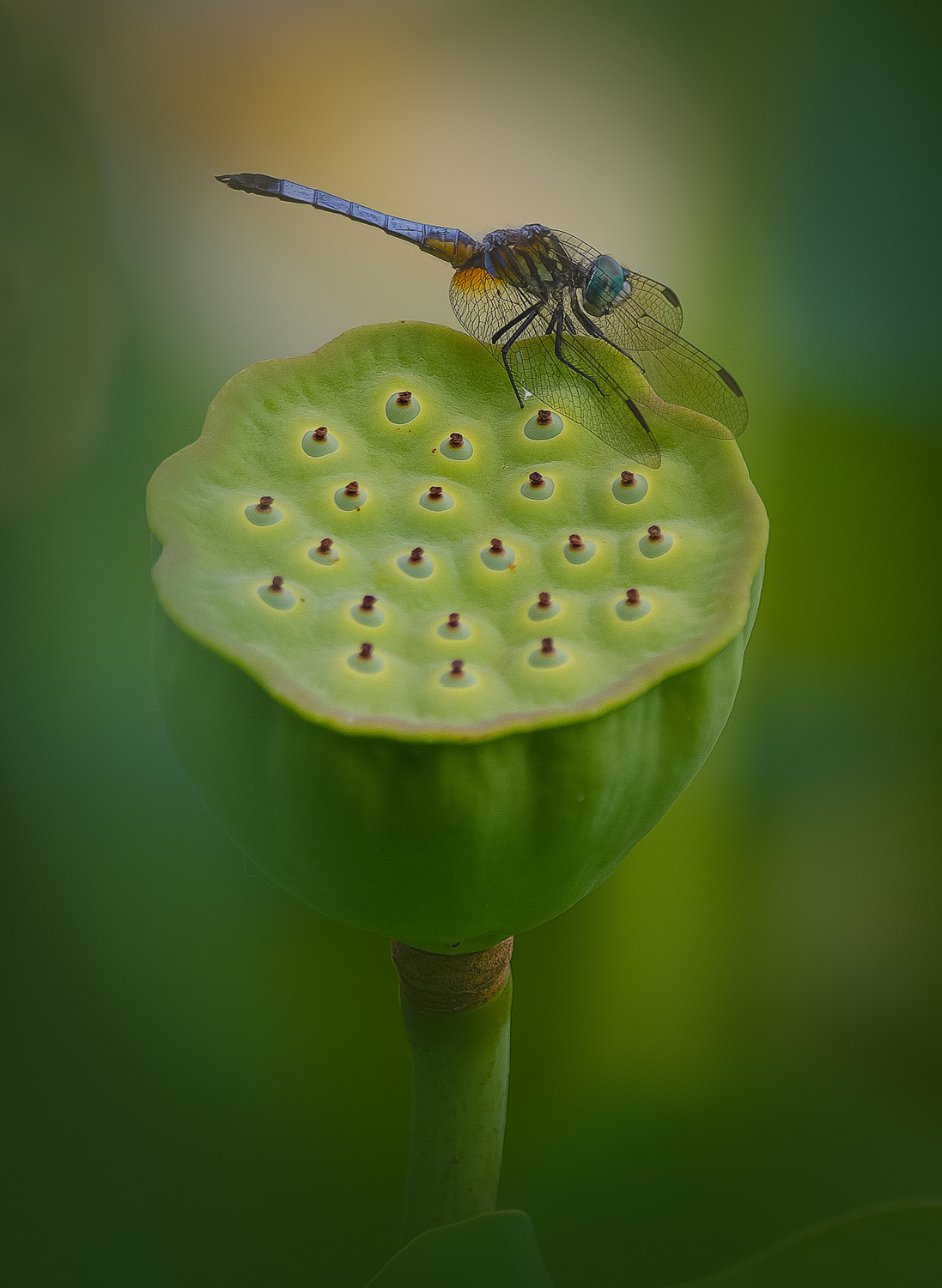
‘Dragonfly on Lotus’
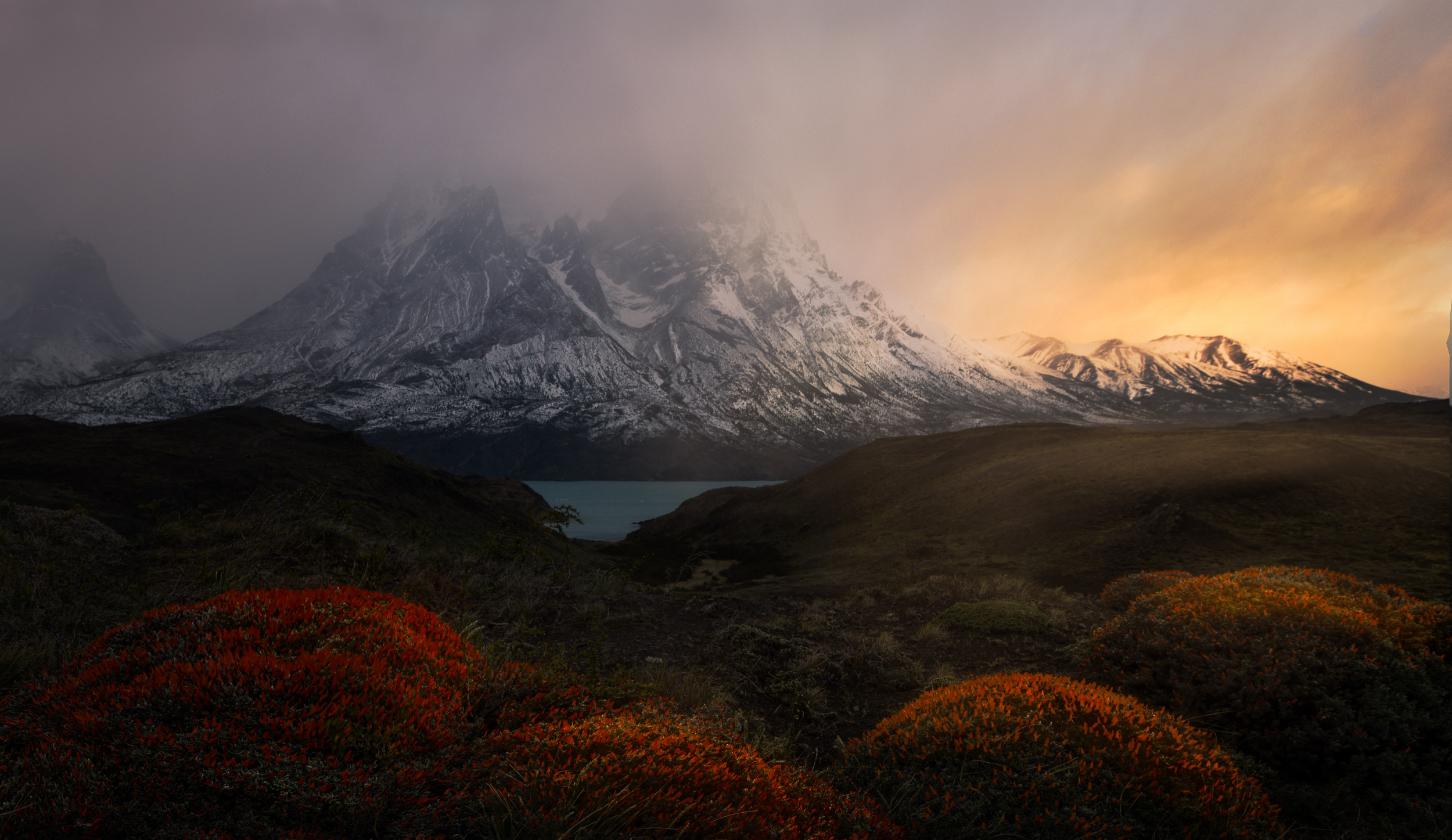 ‘Spring time at Patagonia’
Where do you find inspiration, and what inspires you the most?
My inspiration comes from many different sources. The 1x gallery is one of the most important platforms for me. I deeply appreciate the high-quality work shared by a talented global community there. Viewing these images helps me to understand different visual languages and artistic approaches, and it constantly motivates me to improve.
I also draw a lot of inspiration from the 'Raying Photography Club', which was founded by John Fan. He is our mentor in this small group of photographers who regularly share ideas, exchange feedback and learn from one another. This kind of close communication has been invaluable to my development.
In addition, travel is a major source of inspiration for me. I enjoy experiencing different cultures, landscapes and environments first-hand. I believe that personal experience is essential in photography because it enables me to truly experience the world rather than merely observe it, and this emotional connection often forms the basis of my work.
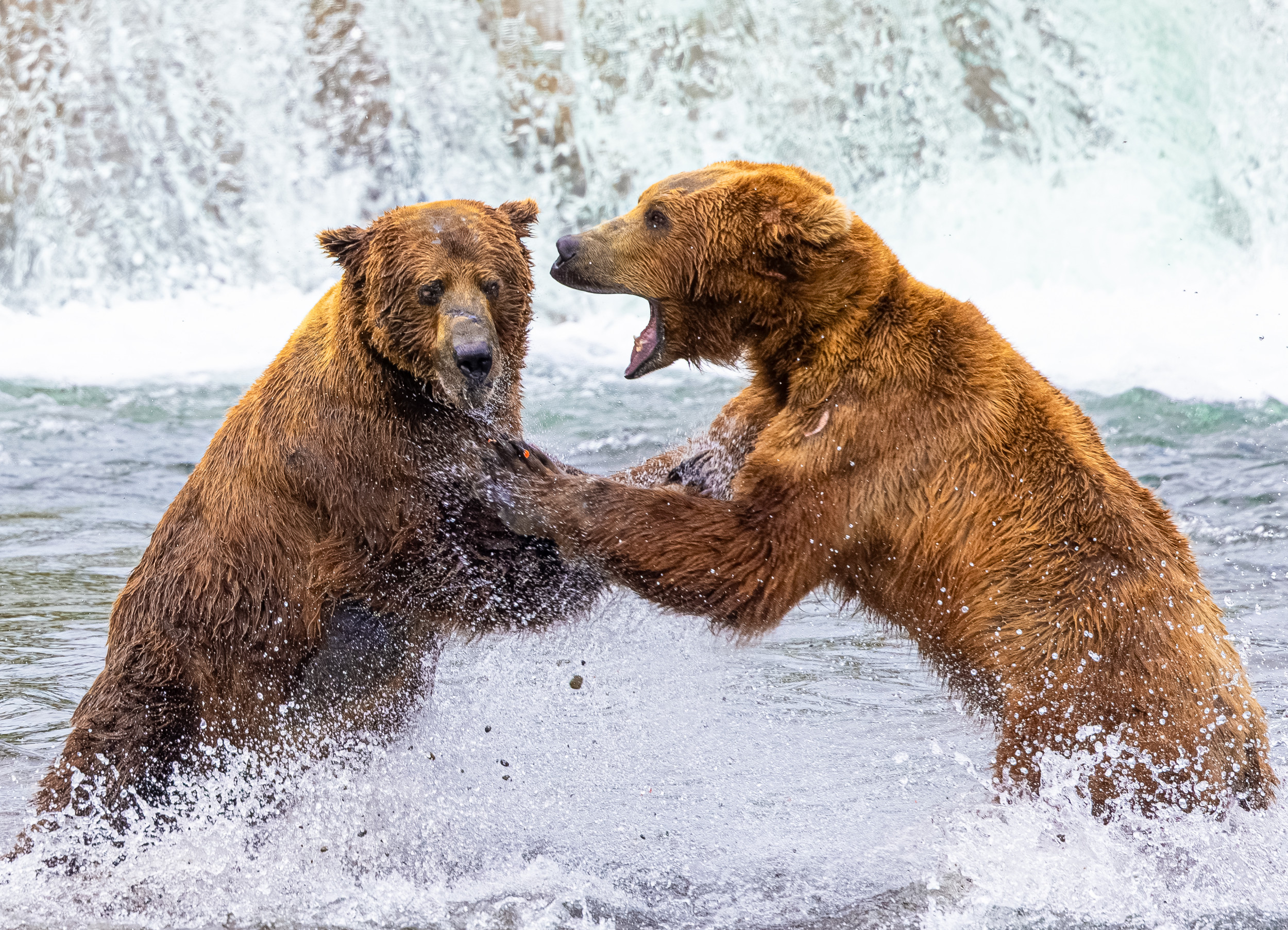
‘Westleing’
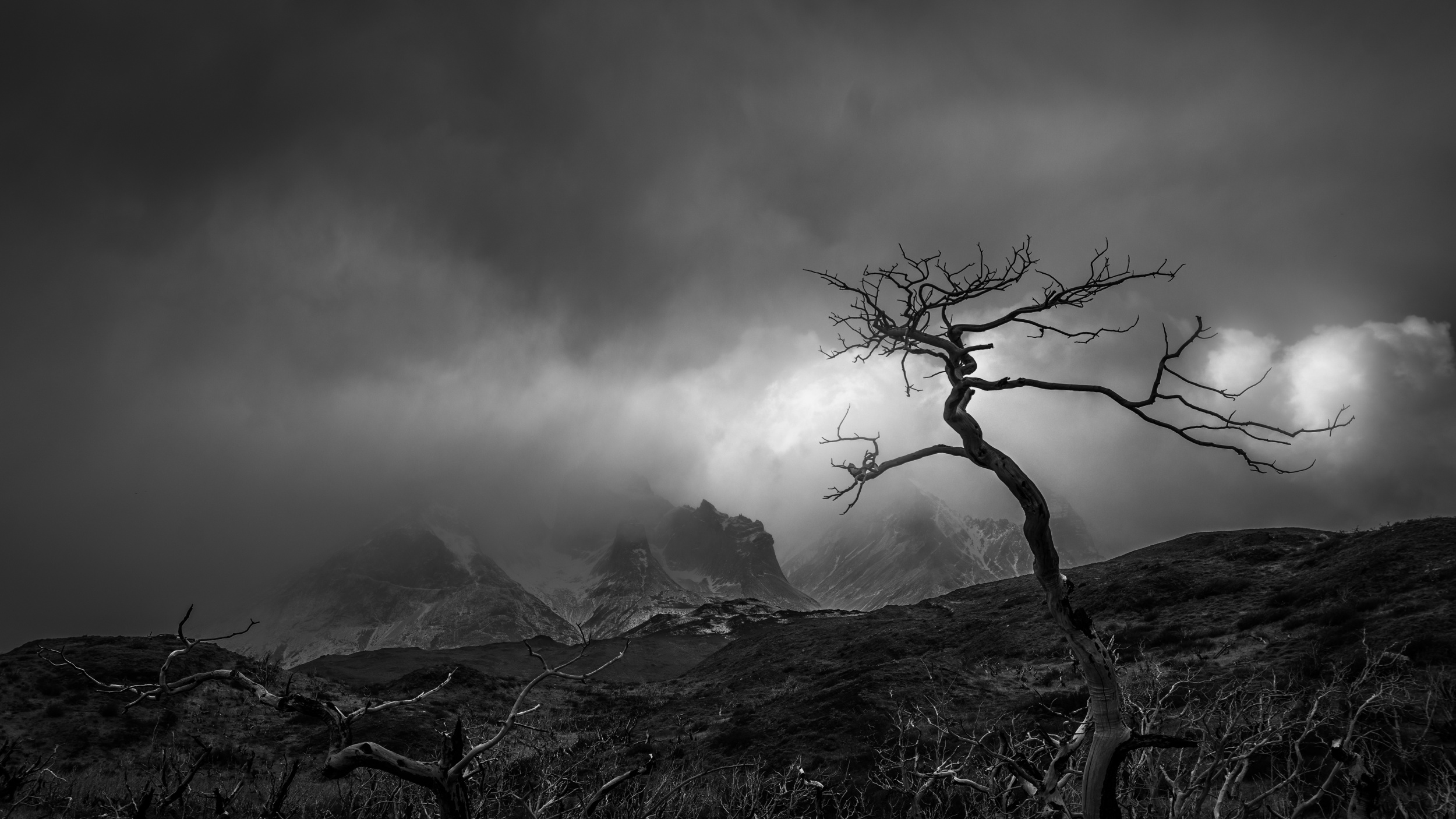
‘Stormy day’
Many people believe that the right equipment is unimportant if you're passionate about photography. Could you please tell us about your camera, lenses, lighting and tripod?
I currently use Canon mirrorless cameras — the R5 Mark II and the R5 — and pair them with different lenses depending on the subject. For landscape photography, I usually use a 15–35 mm wide-angle lens to capture expansive scenes and perspectives. For wildlife photography, I use longer lenses, such as the 600mm f/4 and 100–500mm lenses, which enable me to stay at a distance while capturing detail and behavior.
I also use lenses such as the 24–70mm, 70–200mm and 50mm for street photography, portraits and general shooting. Each lens gives me different creative possibilities, depending on the story I want to tell. Currently, I use FLM and Gitzo tripods. Equipment is important to me, but ultimately it is just a tool. What matters most is how I use them to capture the essence of a moment.
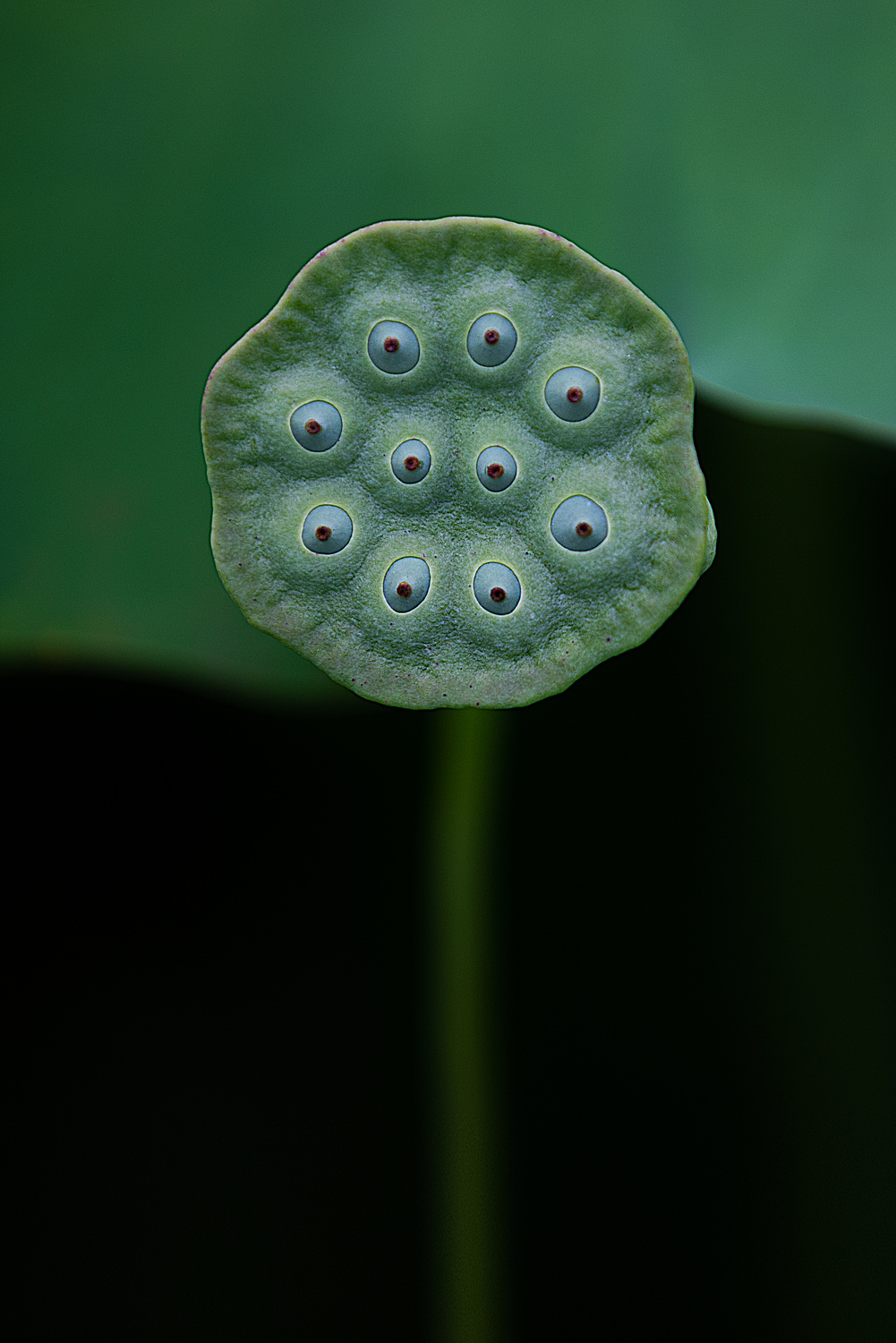
‘A lotus’
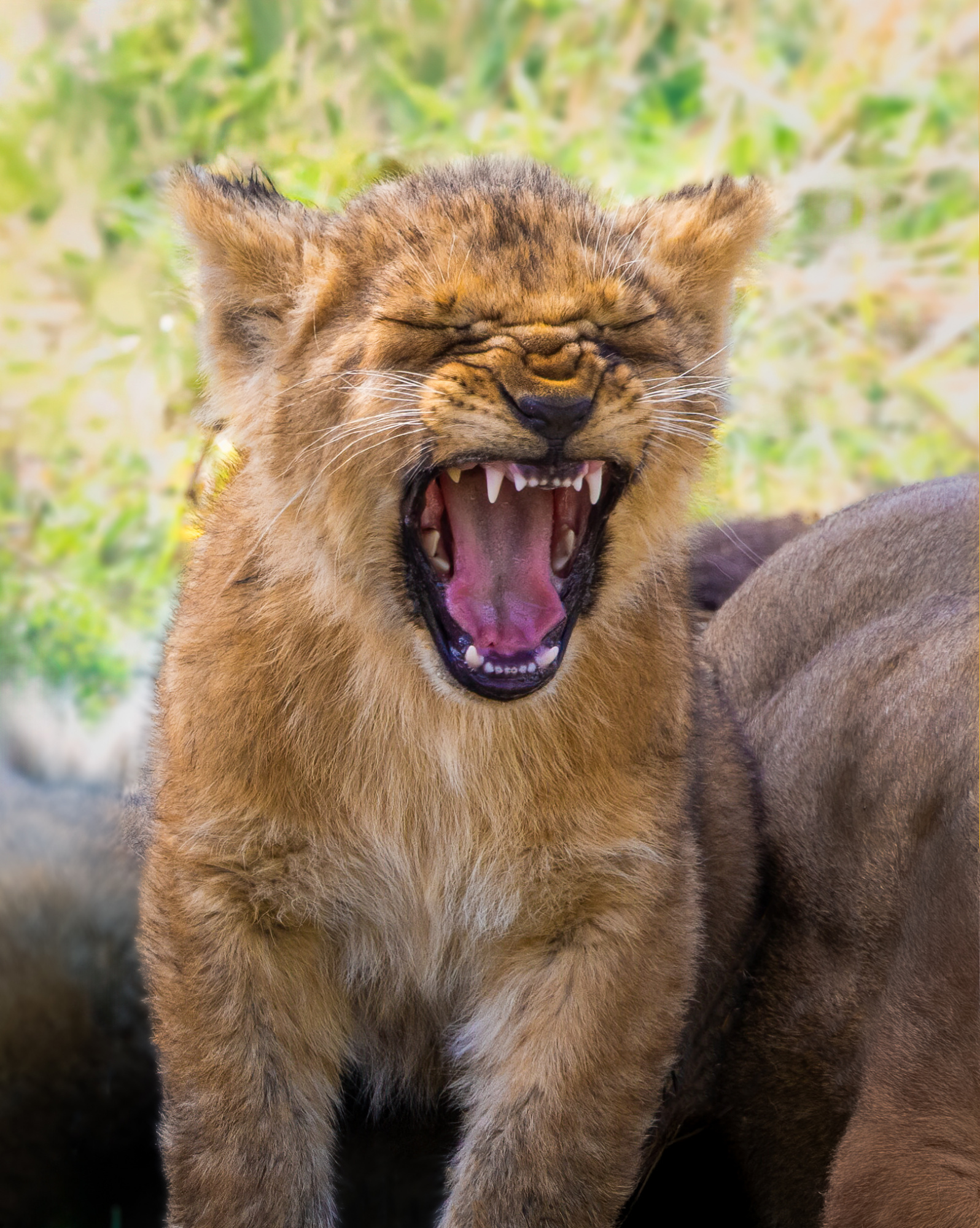
‘Born to roar’
Which is your favourite photo? Please tell us the story behind it.
This photo was taken in Patagonia in 2022. It was my first time photographing the Milky Way. While it may not be my best image, the experience remains unforgettable. I still remember how nervous I was as I carefully set up the camera and adjusted the settings before shooting a four-frame panorama to include both Mount Fitz Roy and the Magellanic Clouds in the composition. I captured each frame twice to ensure the stars were sharp and clear. Later, when I merged the images in Photoshop and saw the final result, I was amazed. It was an exciting moment, realising that I had achieved something I once thought was beyond my reach.
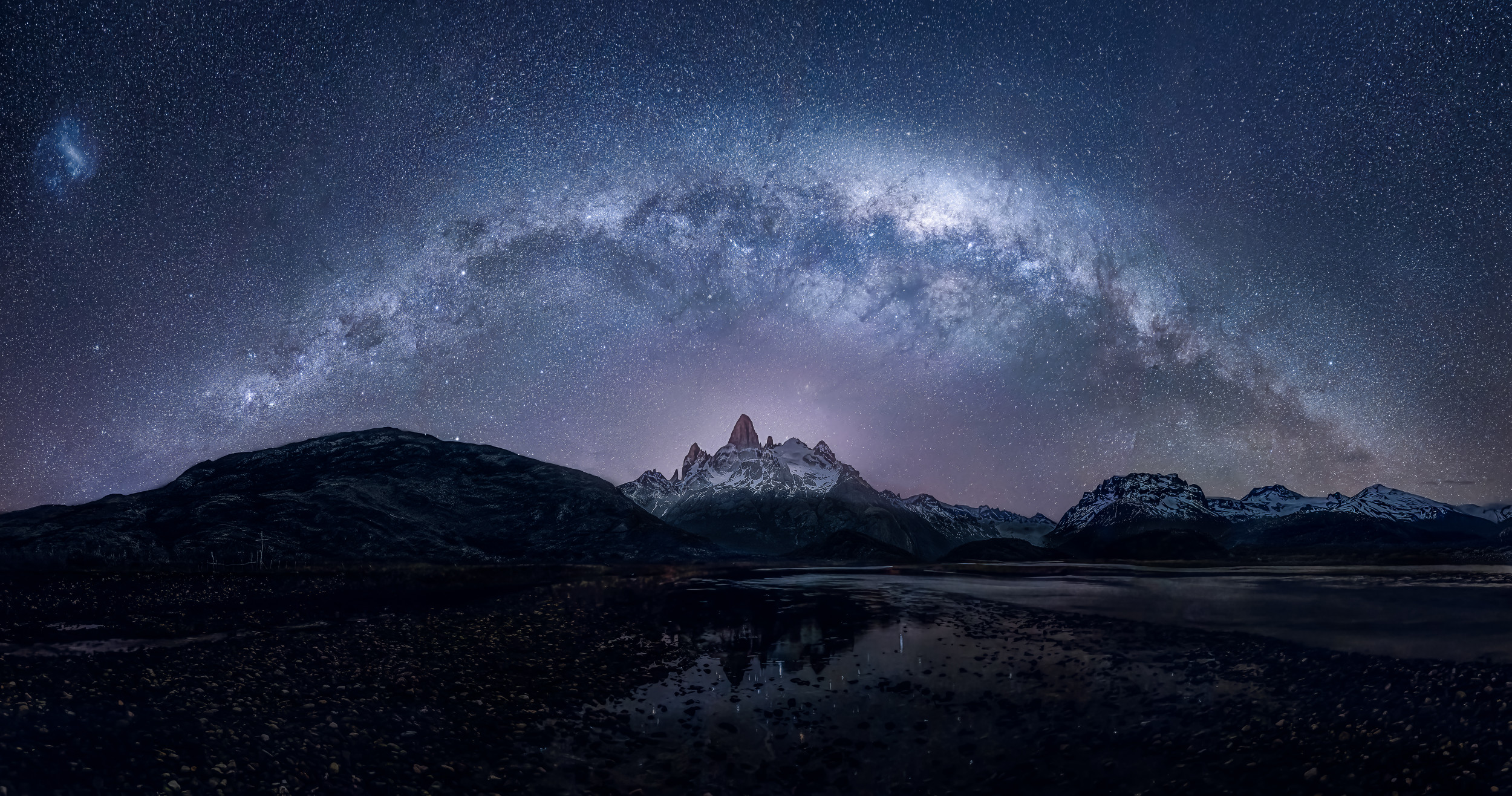
‘Milky Way over Fitz Roy’
Thank you for this fine interview and for sharing your work on 1x, dear Yanny...
 | Write |
 | John J. Chen PRO Congratulations! |
 | Catherine Wang PRO Dear Yanny, What a wonderful interview and what a great collection of images! Congratulations on this well-deserved feature in 1X Magazine. It has been a true pleasure to follow your artistic journey over the years. Through our long friendship and shared passion for photography, I’ve had the opportunity to learn so much from you and to see the dedication, creativity, and heart you bring to your work. This recognition is truly well deserved. Wishing you continued inspiration and many more achievements ahead. |
 | Zhou Zhao Nian PRO 非常精彩,值得学习,谢谢分享 |